Read the full transcript
Transcript is computer-generated and may contain errors.
Paul Spain:
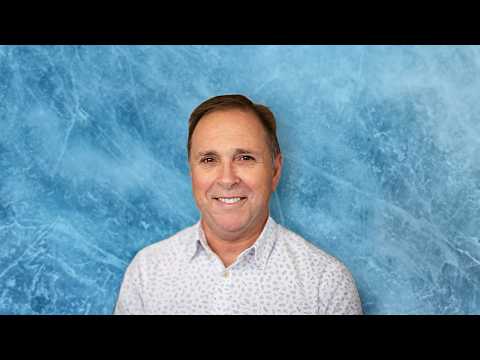
Hey folks, I'm Paul Spain, futurist and Chief Executive at Gorilla Technology. I really enjoy seeing individuals and their organisations succeed. And look, the New Zealand Business Podcast is all about this by helping you learn from some of our most talented achievers and leaders. Today's guest is Greg Balla, Chief Executive Officer of AoFrio, a New Zealand technology company helping global beverage and food brands manage and optimise their refrigeration fleets through internet-connected hardware and data-driven insights. Greg has led AoFrio since 2021, guiding the company's transformation from its manufacturing roots into a business with a strong focus on a combined hardware and software solution, which is delivering increasing recurring revenue. Prior to AoFrio, Greg was Chief Operating Officer at Orion Health and has extensive experience across manufacturing, supply chain, healthcare, business transformation, and organisational leadership. The New Zealand Business Podcast is proudly brought to you by One New Zealand alongside Gorilla Technology, making tech enablement and cybersecurity easy for mid-size and smaller organisations.
Paul Spain:
And also by Outrun Global, remote staffing to help your local teams work smarter, not harder. Greg Balla, great to have you on the New Zealand Business Podcast. How are you today?
Greg Balla:
Oh, great. It's really good to be here. It's my first podcast, so I'm really looking forward to it.
Paul Spain:
Oh, fantastic. Well, absolute privilege to have you on the show. Always like to start at the beginning, so maybe you could tell us a little bit around where you grew up and, you know, what that was like for you.
Greg Balla:
I grew up rural New South Wales. It was actually on the edge of Sydney. I grew up in a town called Camden. I had 3 brothers. So with 3 brothers living out of town, that was really where things happened for you. And so really close family. Growing up on a farm, essentially, you end up being quite practical. Again, being on a farm, a bit of self-reliance was, you know, you need to be able to look after things for yourself.
Greg Balla:
So those things do shape, I guess, flow through into your career.
Paul Spain:
Yeah. So in that sort of rural farming world, did you get pretty, you know, hands-on? What sort of work did you end up doing, you know, for the family or as a youngster?
Greg Balla:
Yeah, so we had a beef cattle farm. So you get to use all sorts of machinery. And I guess that was a big part of The parts that I liked. So you did everything. You made hay, you moved cattle, you fenced, you did all the sorts of things that people do on a rural property. So it's a, and you do that from an early age. So one of the things you learn, of course, is how to drive from the, you know, age 8 kind of thing, as opposed to when people get their license. It was those kind of things were really easy for me.
Paul Spain:
And looking back, what was challenging, you know, thing that you that you had to do during those years?
Greg Balla:
When we first moved to that property, there was no house on it. So we lived essentially in a shed. And when we were moving to the house, my brother dropped the TV. So we didn't have one for 5 years. So that was, you know, that was sort of cut you off a little bit from some of the outside world.
Paul Spain:
Yeah. You went on, you trained as a mechanical engineer. So what really triggered that?
Greg Balla:
Maybe I'm a bit old, but career advice at my school was very basic. Good at maths and science, therefore engineering. That was, that was the advice. I chose mechanical engineering because I was really interested in machines. Again, I guess the connection to upbringing. I did my degree through the University of Technology in Sydney, and it's actually a 6-year degree, but you study for 6 months and then work for 6 months each of those 6 years. And so that was quite a different way of doing a degree, but it was also very practical. So you got to apply things each— every 6 months you were back in the workforce.
Greg Balla:
It had the advantage of being paid the whole time I went through university as well. So practical upbringing and then the practical degree was probably, you know, the things I took away from that.
Paul Spain:
Brilliant. And who did you end up working for in those 6-month stints? What did that look like?
Greg Balla:
I had a cadetship with an organization that was called the Water Resources Commission. So it was a government organization for rural New South Wales. And so I got to spend time in far-flung places of New South Wales. Again, you know, I got to maintain all sorts of equipment in the first year. Then you'd sort of do drafting and contract management and so on. So you get to experience different aspects of business, I guess. And It was about essentially providing water infrastructure.
Paul Spain:
Yeah, fantastic. And looking back on, you know, on that time, were there some really, you know, standout lessons that you picked up?
Greg Balla:
I think, you know, one of the things which shaped my career is I really enjoyed the project management aspect and the contract management part. So I was really keen to be a little bit more legal, if you like, with my career. It didn't actually work out like that, but that's what I thought I was going to do. So for the first job post my degree, I was really looking for one of those project management kinds of roles. I always said I'd never work in a manufacturing organisation, but the first job I got was a project management job in a manufacturing organisation. So, you know, it doesn't always go exactly as you think.
Paul Spain:
So tell us about that journey that you had at 3M, because you were there, what, something like 17 years?
Greg Balla:
Yeah, 17 years. Yeah, 3M was a fantastic organization to work for. So my first role was as a project engineer building a factory for the first 5 years or 4 years. And then I got opportunities to move through the organization, worked and had responsibility for plant engineering or the maintenance. They had 4 factories on that site, so I had responsibility for an engineering perspective across the 4 sites. Then I got to move to New Zealand, which is my first stint here. And ended up being the manufacturing manager here. I didn't come over to do that role, but there's a really interesting story how I got that job.
Greg Balla:
I was walking down the corridor with the manufacturing director for the plant in Sydney, and there was this little old guy coming towards me. And I said, oh, who's that? And he said, oh, he's the engineering manager for New Zealand and he's retiring. And I said, oh, I wouldn't mind his job. And so that was it.
Paul Spain:
Just an open comment.
Greg Balla:
Yeah, that was it. The next thing I know, I'm moving to New Zealand to take up this engineering manager's job over here. And he gave me some advice when he was leaving. He said, you'll find that job pretty boring, but just take over whatever you want to take over while you're there. And so not too long after that, I became the manufacturing director for the New Zealand operation. So I did what he said, basically. I guess that was one of the things I learned about 3M. If you have good— if you had sponsors and you listened to them and said yes, you got lots of opportunities.
Paul Spain:
So how important is that, is that saying yes and looking to stretch yourself?
Greg Balla:
Well, I think it was a vital part of my career. You know, some of the roles that I took on, I pretty much had no experience in, but someone said, look, you should have a go at this. And you could say no, but I always said yes. And that meant every couple of years I had a different role at 3M. So while I was there for 17 years, I had probably 8 different jobs during that time. And one of them was a really left-field thing, which was to go into this new thing called Six Sigma. And—
Paul Spain:
And for those that aren't familiar, tell us about Six Sigma.
Greg Balla:
Yeah. Well, Six Sigma is a a business process improvement methodology. It's hugely data-driven, very focused on customers and defects. So it was a really good foundational thing to learn. 3M's a massive organization, so it had 7 big business units and I got to work across all 7 implementing change and working with different parts of the organization. So I got to work industrial, consumer, pharmaceutical, medical.
Paul Spain:
Fantastic.
Greg Balla:
And so you got to work experience in a whole range range of different business models and different approaches to the market. So yeah, it was a really good experience.
Paul Spain:
Yeah, great opportunity. So, you know, looking at those years at 3M, you know, what do you think that you took away in terms of learnings about, you know, innovation, manufacturing, you know, disciplines and, you know, the international sort of nature of, you know, of taking products between countries?
Greg Balla:
I'll talk about a couple of things, but the innovation part was a really foundational part of 3M. You know, they were the ones who introduced spending 15% of your time on projects of your own choice. And so that's been something that I've thought about a lot. And at Alphreo, we have, you know, we call them permission to explore types of things. So it's really the similar kind of concept of giving people time to work on things that they think are interesting and important. So you take the barriers away and allow people to be creative and think. And I think that was a really foundational thing that I've taken all through my career. The other couple of things was, you know, I think I spoke a little bit about the values-driven and ethical organisations, and 3M was hugely ethical.
Greg Balla:
They walked away from a billion-dollar business because they thought it was having an impact on their environment. There was no proof, but they thought it was, so they exited the business.
Paul Spain:
Wow.
Greg Balla:
And it was those kind of things that you go, oh, you know, that's something to stand up and take notice of. That's how you run businesses and be successful. By combining innovation and ethics was a really strong thing. The other thing from a manufacturing perspective though, the way 3M ran its manufacturing divisions was you could be manufacturing in 3M New Zealand, but you were exporting your product all around the world. And so you really were the business leader. You had to go out and sell your product to the other 3M facilities and to the end users to get to pull the product through all around the world. So there are really many business units there. While you're running the manufacturing facility, I spent a lot of time really as the business leader or sales leader traveling the world with the technology person selling our products globally.
Greg Balla:
And so, you know, we had a great opportunity to, you know, basically turn a really tiny manufacturing business in New Zealand to quite a large business. So we, you know, we grew it really significantly by taking that approach and mindset.
Paul Spain:
Fantastic. What was it that the manufacturing, that you were manufacturing?
Greg Balla:
So we were manufacturing sticky tape essentially, or masking tape was the original product. But we found an application for Fisher& Paykel in New Zealand, which meant we had to manufacture metal foil tape. So aluminium foil tape. That's basically what holds the part of the refrigerator together. But we had really appropriate technology for making this foil tape. It was old and slow. And didn't create defects. And, and so we were able to manufacture this really efficiently and ship aluminium, lead, and copper and gold tape all around the world for different applications.
Greg Balla:
So we grew the business from $3 million to about $40 million New Zealand, which as a— that's the manufacturing cost, but the sales value was a couple hundred million dollar business for 3M. Yeah.
Paul Spain:
Oh, that's fantastic. And so you ultimately, after, you know, 17 years, decided to move on. My understanding is that maybe it didn't kind of work out quite how you expected. Share with us what took place then.
Greg Balla:
Yeah, all the senior level roles in 3M, so the country managers and so on, were all Americans. It was an American organization, and that was their development plan for Americans essentially was to send them out to all the different countries to be country managers. So I sort of got to the point where I really couldn't go much further without— I probably could have if I'd moved to the US and got into that kind of cycle. But anyway, I decided to leave and tried taking on a managing director's role for an Australian company, small Australian company. So it's a Had a couple hundred people. It was part of a global organization, but the Australian operation is what I was running. And I very quickly learned that the values or ethics that I'd— you don't realize it when you're working for the organization how important they are and how important they were to me. So when I got to this new organization, it didn't actually behave like that at all.
Paul Spain:
Very different to 3M.
Greg Balla:
Yeah, it was very different. And so eventually I decided it wasn't going And the guts of it was there wasn't that alignment from a values perspective. And so I left.
Paul Spain:
Could you maybe share one of those with us? 'Cause I think that it's always interesting to kind of, to be right there sort of feeling a little bit. What could you share?
Greg Balla:
One of them was around how they treated people. And so I didn't quite agree with the, I'll sack that person because they have a nose ring kind of concept. And so I couldn't be part of that. And they also wanted me to sign off on some of the things of the books where they had financial irregularities and I wouldn't do that either. So I've pretty quickly learnt that this was not going to be a winning thing for me.
Paul Spain:
So yeah. So how did you tackle that? Because, you know, you've made this decision to join this firm and, you know, that stage, mortgage, whatever other, you know, things, family to feed and so on. And it doesn't always take 5 minutes to get another role. What was your approach to kind of moving through that and onto the next thing?
Greg Balla:
Yeah, I think it was having quite a big impact. Obviously, at the time I just had one young child and my wife had, yeah, he was only probably 6 months old at that time. So she hadn't gone back to work either. So we went from 2 incomes to one to none in that period. But I did use the time to, you know, have a look at some different kinds of things to do. I contemplated starting my own business, but I also leveraged contacts and did some contracting work and, you know, those kind of things to get through. I guess it was about backing yourself that you had things you could do and contribute.
Paul Spain:
Yeah.
Greg Balla:
And the experiences I had at 3M were, you know, meant I could almost work anywhere. So it didn't take too long to find the next thing.
Paul Spain:
Yeah, yep. And so what did the next, you know, few years look like from there?
Greg Balla:
Early on in my— well, when I was looking at doing cadetships, I always thought I'd wanted to work for BHPB, which is a big mining company. It was massive around the area where I was living. And so that was one of the organization I wanted to work for. And so then I had an opportunity to do that after I'd gone through this little hiccup.
Paul Spain:
Yeah.
Greg Balla:
And so I went and joined BHPB and it was leveraging that business transformation capability that I had developed at 3M. And it was an interesting experience, but it ended up being too much travel for me with a young family. You know, I said 30%, they said 70%, and it actually meant 120% is really what it meant.
Paul Spain:
Oh dear.
Greg Balla:
Yeah, so while it was a great organisation to work for, you know, massive operations globally, and I got to work in many of those in the time that I was there, but in the end I decided to spend a little bit more time at home.
Paul Spain:
Yeah, yeah. Does anything really sort of stick in your mind from that period that you took away in terms of learnings that maybe changed how you would do things elsewhere or just some incredible things that you came across that you were able to kind of put in your tool belt for later?
Greg Balla:
Yeah, no, I think a couple of the things that BHPB were really strong at was one was around health and safety management, so mining operations. But I think You know, they applied that everywhere. So, whether you worked in the office or not, that safe, strong elements of safety culture and what's required to build that culture into everything that you do. 3M, I thought, was really good. And then you take it to a mining organization, it was another step up.
Paul Spain:
Yes.
Greg Balla:
And so, I think, you know, that continuous change and improvement. Some of the other things I thought were really interesting from a learnings perspective, at BHPB was they had this kind of processes where they had subject matter disciplines that sort of set differently to the rest of the organization structure. So they had these groups of people who were experts in solving problems in a particular area. And one of the ones that was— the guy was sitting next to me running this group that was managing tire performance globally. So you think of big mining things with these massive big tires.
Paul Spain:
Yes.
Greg Balla:
And there was a tire shortage. So they were trying to optimize tire usage on these big machines around the world. And the interesting thing is they set up these chapters of experts and chemists and all sorts of people were part of these groups at optimizing different parts of the organization. It wasn't only tires, they had it for all different sorts of things. But they had these global networks of people working to solve problems. And you could see the problem get posted in the morning. People would work on it. And overnight, all around the world because of the time zone differences, people would pick it up and add to it.
Greg Balla:
And in the morning, you'd sort of come back and go, oh, here's an answer to that problem. It wasn't always quite like that. But you could see the power of a global organization and how if you bring people together who are really passionate about something— because these were people who had day jobs, but were contributing to helping solve this other kind of problem. And so I think that was a really interesting learning about how you leverage a global organization to solve problems.
Paul Spain:
Yeah, good. And after that, did you turn up in New Zealand?
Greg Balla:
Yeah. So when we were thinking about, well, how do you reduce this travel? And we always said we would come back to New Zealand. And then I was approached for a role at Auckland District Health Board. And so, you know, it was again, it was just a timing kind of thing. And we said, oh, well, maybe it's time to go back to New Zealand. And the role at Auckland District Health Board was really about performance improvement or business change. And it was at a time when the government had introduced health targets. Auckland District Health Board was losing money, like lots of them do.
Greg Balla:
And so my job was to achieve health targets and reduce the deficit, if you like. So those were the things that I was sort of charged with. And it was a hugely rewarding role. So from a values perspective, there was again that strong alignment from what they were doing. But it was, you know, I got to build a team of about 30 people who were working with doctors and nurses and so on, bringing essentially manufacturing-type practices into the organization to help improve the performance of the hospital system. Wow.
Paul Spain:
Oh, that's fascinating. Yeah.
Greg Balla:
So I brought— we had production planners, which was not something that hospital systems were used to. So I brought people in who had sales and operations planning-type expertise and detailed production planning, but also the Lean Six Sigma type of people who could work alongside doctors and nurses to change business practices to make improvement. And it was hugely successful and really a satisfying part of the career.
Paul Spain:
Yeah. Yeah. So when you look back on that time, what do you think was the key achievement? Is that something you can kind of pin down?
Greg Balla:
I think, you know, when I was leaving, the thing I was really appreciative of was some of the senior doctors and the Chief Medical Officer actually turned up at my farewell. They didn't have to, of course, but they turned up. And spoke very positively about the change that we'd been able to implement. And the Chief Medical Officer had sort of said I wouldn't be successful with some of the things that— and had to kind of—
Paul Spain:
Yeah.
Greg Balla:
At the end was celebrating the fact I had to work with her to make the changes that— and she was really surprised about the amount of change that you could implement in an organization that already felt it was very effective. And yeah, so it was, like I say, very satisfying. But just a couple of practical examples, you know, the ED 6-hour rule was one of the projects I, you know, had a team working on. We worked on the cancer waiting times as well and other things. But the ED 6-hour rule, there's a— We did some work in the ED And, you know, we found that there was business processes that, you know, from the time the decision to admit somebody to the time they actually got to a bed, that could be 10 hours. And then the target was 6 hours overall, not just from the time that you made. And so, you know, it was really data-driven.
Paul Spain:
Yes.
Greg Balla:
And there's some very simple things that we introduced to Essentially eliminate that. And we were able to get that part of the process down to a couple of hours. You know, we were trying to get it down to under an hour, but we got it down pretty close to that. And that has massive impacts on flow. So these are flow systems, like a manufacturing facility, if you like. I know it's people you're talking about, so you have to be very conscious of the fact that you're talking about people and their lives. But the same sort of disciplines apply.
Paul Spain:
Well, you can have a bigger impact when you're getting people emergency care much quicker. Much more quickly.
Greg Balla:
So that's right.
Paul Spain:
So pretty satisfying.
Greg Balla:
Yeah. So it was a really satisfying part. It was extremely challenging too. You know, they're big organizations and lots of stakeholders with lots of opinions. And so, yeah, so it was, you know, you really did need to work very closely with the doctors and the nurses. And it's a bit— it was pretty tribal from that perspective. But I drank more coffee than I've ever drunk in my life because that's how you got to interact with the doctors. You bought them a coffee.
Greg Balla:
And so it was Good takeaway.
Paul Spain:
Right. So that was a 7-year stint. And then you did what, Orion Health?
Greg Balla:
About 7 years with Orion Health as well. Oh, Orion Health. Okay. I had quite a few 7s. So yeah, so I moved to Orion Health. And again, it was one of those things where someone says, oh, you should go and work for Orion Health. And I trusted the person. And so it was a bit of a leap of faith.
Greg Balla:
faith. But again, it was at a, you know, Orion Health is a great organisation, really inspirational CEO from a technology perspective, but an organisation that needed some help for sure.
Paul Spain:
So yeah, yeah. And so in terms of the way you were able to leverage what you'd done previously and bring that into Orion Health, you know, how did that play out in terms of the types of roles that you did? Because you did a number of roles there over that 7 years.
Greg Balla:
Orion Health was going— had raised capital about the same time as I joined. And so we went from 700 people to 1,300 people or something like that in a pretty rapid period of time. So trying to bring systems and processes to the organization to make sure you're deploying those people effectively was really important. But again, it was also servicing the healthcare industry. So experience from healthcare plus, you know, taking over some product responsibility at Orion Health was quite an interesting combination. But then I moved on to more a, well, a chief operating officer role. And that was a really tough time because we went from 1,300 people to 450 people or something like that during my chief operating officer.
Paul Spain:
Yeah.
Greg Balla:
Because we just weren't profitable. And so really had to drive hard to live within the cash flow that we were generating and we weren't. And so that was my role, was to reshape the organization. But I think, you know, bringing the things from 3M, the way you treat people and so on. Okay, well, it wasn't fantastic for anybody losing their jobs.
Paul Spain:
Yeah.
Greg Balla:
Treating people respectfully through those processes and making sure you were helping them as much as you could. was certainly a big part of the way we delivered that plan at Orion Health. And I think that stands you in pretty— you can be pretty proud of what you do if you treat people well through those challenging kind of processes.
Paul Spain:
Yeah. Now we've got a separate episode with Ian McCrae, but what did you take away from working with Ian? Because he built something that was pretty impressive, but like any business has its challenges at times.
Greg Balla:
Oh, look, one of the things that I really took away from that and watching Ian work— yeah, you can talk to Ian about who he thinks he is and what he does, but he was really, from a technology perspective and ability to solve problems using technology, was quite amazing.
Paul Spain:
Yeah.
Greg Balla:
So really inspirational from that perspective. And he gave people opportunities in the organization. So yeah, so he was an interesting person to work with. And certainly, you know, when I was the Chief Operating Officer, you know, if Ian was interested in the technology part of the organization, well, I ran everything else. If Ian was interested in sales, well, he ran sales and I ran everything else. So we sort of worked out how to work together and it, you know, it worked really well. And, you know, we ended up The organisation was profitable when I left. And even going through that amount of change, we continued to grow the organisation and get it to be profitable.
Greg Balla:
But Ian was really good. He just allowed me to get on and, you know, we agreed what we needed to achieve and he just got out of the way and let me get on with it.
Paul Spain:
Yeah. I mean, as a business, they went from being a listed company back into sort of private ownership during that term. So there were varying changes there. Any sort of great lessons on that front and the financial sort of ups and downs that you take away?
Greg Balla:
You know, the thing that I really learnt through that is, and you get a little bit protected from this in organisations like 3M as an example, the importance of managing cash. That was something that I hadn't really had to deal with before. And so they're, you know, making sure you had enough coming in to meet your commitments. So, so that was, you know, something that I had to learn for sure.
Paul Spain:
Yeah.
Greg Balla:
So that was a different kind of experience. And that's what happened during that time was a whole bunch of things to, you know, make sure we had cash. You know, we sold off part of the business and all of those transactions were, you know, all designed to make sure we had the cash flow that we needed to support the business. Which I'd never had to think about when you're at 3M, the cash just flowed, you know. Yeah, yeah, yeah.
Paul Spain:
Okay, so lots of learnings there. And then you took on the role to head up what at that stage was Wellington Drive Technologies.
Greg Balla:
Yeah, that's right.
Paul Spain:
So tell us about that.
Greg Balla:
Yeah, so I was approached to take over that role and Again, I was 7 years in and so it was thinking about what next and just being through that period of getting Orion Health to be profitable. And so I felt it was the right time to look at something else. I think what really drew me to Wellington Drive Technology was it's another New Zealand tech company. That had some good technology but wasn't really achieving what it could do. And so I thought, oh, well, this is an opportunity to try and create another great New Zealand technology company. And so that was what was the driver for me, was I've got to take some of the learnings from all these different organizations. You know, the Orion, you know, really quick in terms of its decision-making, adoption of new technology. global.
Greg Balla:
And so, yeah, so that was their appeal for taking on this role. And so, yeah, so, you know, I joined during the— in between lockdown 1 and lockdown 2. And I'd—
Paul Spain:
2021? Yeah.
Greg Balla:
So I started on the 9th of August, and I think the 13th of August we were into lockdown. So I had sort of like 4 days in the office meeting people and hadn't seen a customer, hadn't met anyone of our global team other than via Teams. And so I was into 9 months of working from home.
Paul Spain:
Wow.
Greg Balla:
So it was an interesting start to a CEO role. But fortunately, we had a pretty good leadership team who were very focused on surviving through COVID.
Paul Spain:
Yeah. So maybe for listeners that aren't familiar, tell us a little bit about what you came into, you know, what the business was at that point.
Greg Balla:
Yeah.
Paul Spain:
Yeah.
Greg Balla:
So AoFrio or Wellington Drive Technology at that point was— is a company that provides components or hardware predominantly to the commercial refrigeration industry. So it had a really good technology. So if you think about Coke and Pepsi and Heineken, you see their fridges all around the world. And those refrigerators are actually owned by Coke and Pepsi, not the store that they're in. And so Al-Freo's technology is in those refrigerators or coolers, as they're called, all around the world. In 2016, they— Al-Freo or Wellington Drive Technologies introduced some new technology which allowed those coolers to be actually data-collecting devices and send information to the cloud about the performance of the cooler. But also then you could get a fleet-wide view. So if you say—
Paul Spain:
That must have been pretty early. Early on to be doing that.
Greg Balla:
Yeah, it was quite early on in the IoT or Internet of Things type of technology. And they had some really clever hardware technology and the solution. So some really smart people there created this technology. But I guess the challenge from my perspective was we weren't really leveraging the information that we were capturing. And so how could you turn that and monetize that and have software and solutions? Okay, we had a basic solution, but it was really clunky and wasn't ideal for going forward from a platform perspective. So yeah, so we spent some time thinking about what our strategy was and how we were going to grow the organization, but also increase profitability and make it a more robust or resilient organization, I guess was the kind of language we focused on. Mm-hmm. Growing recurring revenue, growing software types of services as part of it was their strategy.
Greg Balla:
And we're also an organization that was very heavily focused on the Latin American regions, which was great. And we have really high share there. They were early adopters of this type of technology. The type of technologies Salute aligned nicely with the business models in those regions, which are low-wage economies essentially. And so it worked. The solution worked really well for those regions. So the opportunity was, of course, was to enter new regions with new technology and so on. So it's been an interesting kind of transition.
Greg Balla:
But just going back to the COVID days, you know, one of the things during the interview process, someone commented to me, he says, well, one thing you'll never have to think about is supply chain because it's working really well. But of course, then you go into COVID day 4 and, you know, it was all about component shortages and supply chain issues. So I spent the first couple of years of that role actually doing nothing but supply chain, which fortunately I had quite a lot of experience in from 3M anyway. So it wasn't something that was unusual for me.
Paul Spain:
Yes.
Greg Balla:
But it became the total focus was redesigning our products with components that we could find, getting them certified and keeping customers happy. So it was a really challenging period in the sense that we didn't really get to do some of the new product work that we were wanting to do to take the organization forward, but it was survive through that kind of period.
Paul Spain:
And so maybe you can walk us through what you saw as as, you know, your mandate to, you know, to change the business? Obviously, there was a branding change was part of that, but you don't just want to, you know, change the logo on the tin sort of thing, right? I think it sounds like there was a lot more to do.
Greg Balla:
Yeah, I think the branding change was really part of the story of leveraging the things that the organization had and perhaps leaving some of the history behind and really focusing on both the, what we call the hardware-enabled SaaS-type solution.
Paul Spain:
Yeah.
Greg Balla:
And so it was really driving that and saying, hey, we're not just the hardware company, we're this new company or got this new vision for the organization. But it was about trying to build a resilient organization and say the focus on recurring revenue and so on as part of the software solution has been a big part of that story. We're only still relatively early days from that perspective. We've just launched our, what we'd say is our first proper software solution in June. And so we're starting to really start to drive that recurring revenue. But the other thing we looked at from a strategy perspective was we were very focused on one market segment, the cold drink equipment segment is what we call it.
Paul Spain:
Yes.
Greg Balla:
So it's the Coke, Pepsi, Heineken kind of stuff. And so, you know, could we apply this technology to other adjacent segments? Not getting too far away from what we do, but, you know, we— so we had another part of our strategy which is called diversification, which is looking at those other adjacencies that we could apply the same similar sort of technology to. And we, again, we've raised capital to support some of that diversification.
Paul Spain:
Walk us through what it is, and I guess in plain English, what you now provide as this hardware-enabled software-as-a-service business.
Greg Balla:
Yeah, so our customers, as I've said, we'll just use Coca-Cola as an example, but the same applies to the other brands that we work with. So they have these big diverse spread out fleets of technology. And the first problem that they asked us to solve is, can you actually tell me where my cooler is or my refrigerator is? And in the early days, they were losing up to 15% of these refrigerators a year. And these are their primary sales tools. So if you're losing 15% of your coolers, you're losing 15% of your revenue. It's, you know, there's a direct correlation there. And so—
Paul Spain:
So how would, how would those you know, get lost what was happening there.
Greg Balla:
Well, yeah, you know, people like to have these refrigerators in their garage, if you like. They're pretty cool looking coolers. And so, yeah, so theft was about half of that. The other half was they just misplaced where they were. They might have actually still been working somewhere, but they thought it was here and it was actually over there. Convenience stores shut down and where does the cooler go? You know, maybe it's gone to the next convenience store, maybe it hasn't.
Paul Spain:
Yes, yes.
Greg Balla:
But also their systems and processes are not as good as you might think for big brands like that. And so they could have been in their warehouse as well. Yeah, so it was up to— so that was use case number one, if you like, is can you actually tell us where the cooler is and help us manage that kind of cycle of finding it, getting it back in service and so on? And so that was how that sort of technology evolved. But then we've added other things to it. Once you start collecting data about the performance of the refrigerator, you can start to predict when it's going to break down. You can give advice to the service and maintenance technicians about what the fault is. We talk about just one visit for a maintenance call, not 2 or 3, because we can give the correct information about what they actually need to do.
Paul Spain:
And so it really reduces that maintenance.
Greg Balla:
Yeah, that's right.
Paul Spain:
Cost. And do you minimize the downtime by getting You know, that visibility.
Greg Balla:
That's right. It's mainly the making sure that, you know, a cooler is a— you said it's about $1,000. A maintenance trip can be a couple of hundred dollars. So, you know, it's a big part of the cost structure. So getting one visit versus 2 makes a big difference to the profitability of the organisation.
Paul Spain:
Yeah.
Greg Balla:
The 3rd thing we work on is around energy management. So Our solution can reduce the energy consumption by about 64% if they adopt our complete solution. That's motors and fans and the controller and the control system from a standard cooler.
Paul Spain:
Wow, that's significant because what, what, what might it cost to, you know, to run one of these coolers on an annual basis?
Greg Balla:
Yeah. So it's typically about NZ$2,000 a year per cooler. And so you can reduce it significantly. Of course, the challenge for that part of it is the Coke and Pepsi actually don't pay for the energy. So are they prepared to pay for that kind of technology? But, you know, they are— they have pretty aggressive carbon footprint reduction targets and so on. And the commercial refrigeration is about 35% of their carbon footprint. So as they try and achieve their you know, carbon footprint reduction, this becomes a sensible part of the solution.
Paul Spain:
Fantastic.
Greg Balla:
That's great. And then there's the fourth part, which is around commercial performance. So can you actually help them sell more Coke or Pepsi? And, you know, we have some early kind of solutions there, but the next lot of our technology is going to be very much focused on that part of the solution. So this is, you know, is it in the right place? Is it getting the right number of door swings? Has it got the right things on the shelf? So planogram compliance and those kind of things. So we're adding some new, more technology to our solution to allow us to do that complete range of things. But we can already do some of those things.
Paul Spain:
Right. So what, you know, some of the things that you've learned on that front so far, you talk about door swings. I'm pretty sure this is how often the door to the fridge gets opened.
Greg Balla:
That's right. And then you can track how much stock goes in and out. Yeah, so that's right. So again, it depends on how much information the client is prepared to— if they, if they are prepared to tell you how much they've delivered to the store and you can correlate that with door swings, you can tell whether it's their product in the fridge or not in the fridge. So because has someone put chicken in there or Pepsi or something else, you know, I'd say that there's a reasonable correlation if you can get those bits of information. And the other thing, particularly beer products, is warm drinks don't sell. So keeping the temperature profile really stable at the right temperature is hugely important. And of course we can give them real-time performance on whether their cooler is operating at the right temperature.
Paul Spain:
That's pretty important, isn't it?
Greg Balla:
Yeah, that's right. A lot of warm beer, right? Yeah.
Paul Spain:
And, you know, in terms of changing the identity and the brand, how did you go about that?
Greg Balla:
We use some consultants, but we talk to our, I guess, our customers and our staff. And it's, I guess, part of it is recognition of our big Latin American heritage, if you like, now.
Paul Spain:
Yes.
Greg Balla:
So the Ao is a Māori word, and then Frio is from Spanish or Portuguese, actually. But the Ao Frio is our world, so Al, and Frio, cold. So our world of cold is what's in the name. And so it was, the naming actually came from one of, you know, we ran focus groups internally and so on, but so it was developed internally, the name of the organisation.
Paul Spain:
How do you think that's played out for the business?
Greg Balla:
I think it was a defining moment in helping our teams and our customers understand that we were going to be different. And so I do think it gave us that change that we were looking for in terms of mindset from customers as we really pushed heavily into the data and data science and software part of our organisation.
Paul Spain:
Now we talked previously, you were talking around the opportunity to really grow that recurring revenue, that software revenue from, not sure where it is now, maybe Sub-5% to maybe half of the revenue. How have you kind of mapped that out? That's a pretty significant opportunity ahead.
Greg Balla:
We have essentially a 5-year kind of horizontal plan. We have a roadmap of how we believe we can deliver that. And there's 2 key parts to it. One is in the cold drink equipment segment. So as I said, we've just launched our soft software, the first real software product. And we expect that part of the organization over that time to really adopt that technology. It's got AI smarts built in and all those kind of things that you would expect in modern software.
Paul Spain:
Yeah.
Greg Balla:
And so we're expecting that to go really well, particularly with some of the newer hardware technology that we're introducing, which is more real-time technology than what we had in the past.
Paul Spain:
Right. So it's very key to have those, those, those 2 things in sync. Yeah. Pumping the fresh data out continuously. Yeah. And is that something that happens over cellular networks so that you can work from anywhere?
Greg Balla:
The original technology was Bluetooth technology, which is— we still use that, but it relied on someone being near the refrigerator to upload the data via their mobile phone, whereas now The cellular technology essentially has the phone built in and so it can continuously communicate or communicate at whatever frequency you want. There's been a whole bunch of things that have been necessary for that to come together. Data, cellular data costs coming down, technology costs coming down. Now where we can put a proposition in front of customers that makes sense and delivers a return on investment and we sort of target 5 times is what we say. We should be able to do, you know, 5 to 1 is the return on investment. And it's actually more than that because they get that in the first year. So, and they get it every other year for free, if you like.
Paul Spain:
So it's fantastic. Fantastic. Now, in terms of the, you know, the number of devices out there, I mean, you know, how big is your base?
Greg Balla:
Yeah. Yeah. We're pushing now about 4 million connected devices, which actually makes us one of the biggest— we're certainly in the top 10 of IoT platforms in the world. Google, AWS, and not too far down the list is actually Alphreo.
Paul Spain:
That's incredible.
Greg Balla:
Which is, you know, it's quite an unusual story, but we have 4 million connected devices is a big IoT platform.
Paul Spain:
Congratulations. Yeah.
Greg Balla:
So it's a pretty impressive number.
Paul Spain:
Yeah.
Greg Balla:
And that's where the recurring revenue comes from, is that part of the business. So You know, we feel we're in a pretty good position. We've just launched, as I said, products for the US and the European market, and we're at early stages of getting those going.
Paul Spain:
You know, when you, when you look at, you know, the technology and what you've put out there in recent times, what sort of customer problems can you solve now that, you know, if you look back sort of, you know, 5, 10 years that you wouldn't have been able to you know, solve or address because of this, you know, refreshed technology?
Greg Balla:
The big changes that you can see is that real-time alerting and so on, which we couldn't really do before. It required the cadence of data refresh was a lot lower. And so you can really reduce downtime much more effectively. But we can also now communicate 2 ways with the refrigerator so we can actually send information to it. And so if they want to change parameters between summer and winter or there's a sports game on, so we need to— there's going to be more intensity in this region. You can turn the temperature profile down because, you know, the doors are going to open and close more often.
Paul Spain:
That's brilliant.
Greg Balla:
And so there's a whole bunch of things that you can start to do. You can start to take maintenance actions. You can do a defrost remotely. So there's a, you know, there's lots of things you can do. And just going back to the original use case of tell me where my fridge is, is we can now disable the refrigerator remotely. So someone at the desk says, well, this fridge is moving, I'm going to turn it off. So the person gets no value from it.
Paul Spain:
Gotcha.
Greg Balla:
And so they can do it from their desk so they don't have to be close to the person or anything like that, which we could do before, but they had to be standing near the fridge to turn it off. And if someone's running down the road with your fridge, that's probably not a good idea. And so, yeah, so we can do all those things now remotely.
Paul Spain:
Now, you know, you've talked about that success in Latin America being, you know, very, very important. You know, why do you think that you were able to sort of get that foothold and do so well, you know, there compared to anywhere else?
Greg Balla:
I think there's I don't know about compared to anywhere else. I might answer that one second. But the success in Latin America was really good technology solving customer problems at the right time, but also supported by really fantastic industry experts in region helping customers get value from the solution.
Paul Spain:
Mm-hmm.
Greg Balla:
So we have teams that work with bottlers, So Coke and Pepsi are kind of like run like a franchise model. They, you know, say you can be the supplier or bottler in this particular region, country. And so we work directly with those customers to ensure the bottlers to make sure they're getting value from the solution.
Paul Spain:
Yeah.
Greg Balla:
We're the only ones also that provide the end-to-end solution. So hardware and software. If there's some problem, that's our problem. And so that's also been a successful part of this story. But the in-region support, we think, is vital and a key differentiator. We have really high net promoter scores because our service and support from those regional teams is outstanding.
Paul Spain:
Now, we don't hear, you know, too much about how organisations interact with New Zealand Trade and Enterprise, but, you know, you've definitely, you know, leant on them and had their help along the way. Any stories you can share from that side?
Greg Balla:
You know, we've done some really interesting research co-funded by NZTE in the US. We've used embassies and facilities to have events and so on to bring customers together. We just opened a new facility in Mexico. We were getting no interest from the local mayor or the media companies. We invited their ambassador. We ended up having 28 pieces of media coverage about— and the dignitaries just turned up. And so they have real influence to get people to turn up and take notice. So that's just one example.
Greg Balla:
But in Chile, NZT people do a lot of work for us. They're almost our first salesperson through the door, if you like. They do that first sales call on our behalf.
Paul Spain:
Wow.
Greg Balla:
So they're quite an amazing team. It's not like that everywhere, but the Chilean operation, they're happy to work with us like that. And so, yeah, so they've been— it's been hugely successful relationship. It's a give and take. We support the NZ Inc brand by going to things on behalf with NZTE. But it's, yeah, we find them really valuable and like the relationships that we have with them all around the world.
Paul Spain:
What do you think it means to be, you know, a New Zealand company in these markets?
Greg Balla:
I think it's a New Zealand brand thing that you do the right thing, care about the environment. All of those things come together. So we're trusted partners pretty quickly because of some of that New Zealand heritage. that you probably don't get if you're coming from some other country.
Paul Spain:
Yeah. What do you think the next sort of 5 years, you know, will yield? How do you think the business will be looking in those, you know, few years out?
Greg Balla:
Yeah, look, I think we're really positive about the cold drink equipment segment. I think, you know, we'll grow rapidly in the US and Europe. Our recurring revenue will go from the sub-5% to around 20% for that business. We've just started on our diversification strategy and we have our first major supermarket chain in Argentina is implementing 70 stores of their 600 with our technology. And the implementation's going really well and they're already talking to us about extending that to the next group of stores. So that's more of a food retail type of solution.
Paul Spain:
Sounds encouraging. Yeah.
Greg Balla:
And it's, you know, I talked about the 4 value pillars that we use in our existing— with our existing market, but this adds a 5th. This is around food safety or food quality. And so it's nice to have another part of that story extending the software solution to a different type of market segment. The other difference is, is these supermarkets or convenience stores where we're targeting, actually own the technology that's in there. So you go from looking after an individual cooler to looking after an outlet. So it's a little bit of a change for us.
Paul Spain:
Yes.
Greg Balla:
But, you know, we think we'll get real traction in that. And we're just starting. We've just appointed a general manager for that and starting to get the team built around. So it's kind of almost like a startup inside the organization. So, yeah, we're really excited about that. And we think that will take us from that 20% recurring revenue closer to 30% by adding that in over the next 5 years and really predicting strong growth from that.
Paul Spain:
And what do you think will be the hardest challenges in this next phase?
Greg Balla:
Yeah, I think the hardest challenge is still for us to Make sure we deliver good hardware, but recognize the fact that the people who are selling software need to be different because it's a different skill set. And it's hard for our hardware people not to want to do that, but we need them focused on being really good at understanding hardware and having some other people who are good at software. So I think that's a big thing for us is getting that right and making sure we're investing, continuing to invest in both parts. And certainly, you know, AI technology is changing the balance between hardware and software. And so that's going to be something that we're going to have to be mindful of as we go forward. And of course, it's changing fast. So it's—
Paul Spain:
And what would you, you know, what would you say, you know, you're proudest of at Alphreo to date?
Greg Balla:
We have got a really clear strategy and we're sticking to it. You get feedback from people saying it's clear, you've stuck to it, which is not easy to do. So we're not changing it every couple of months. You know, we're responsive and keep challenging ourselves with it. But so it seems to be sticking and working. But I think it is re-energizing the organization around innovation, When you go through years of, you know, just survival, your innovation instinct gets beaten out of you a little bit. And so we're reinvigorating innovation in the organization. We have these week-long events which we call Permission to Explore.
Greg Balla:
We just ran AI Month, so we extended it to a different kind of structure over a month. Where people got to learn and experiment with building agents and solving problems in different ways using AI technology. So yeah, so it's those kind of things that make the difference. And what they also do is build a sense of global organization because we get cross-functional teams coming together to solve problems. So people from all around the world get together with people that they don't normally interact with. And that's really important to leverage an organization's capability. But that comes from relationships and knowing people and so on. But also, I think, you know, we've continued to drive our Net Promoter Score up, you know, continuing to get strong feedback from customers that we're on the right path and we've had to rebuild relationships and so on or continue to build relationships to get to those kind of levels.
Paul Spain:
Now, as we wrap up, I always love to hear sort of the favourite bits of advice and lessons, you know, that come from a journey in business. What would be one or two things that really stand out, you know, for you that you like to share with others?
Greg Balla:
If I had to choose a couple of things, one of them is technology is not about technology, it's about the people. And you have to have people adopting technology, So the change management part is just as important. Actually, it's probably more important than the technology. You know, some crappy technology adopted well gets a better result than really good technology never adopted. And so adoption is really important. The other thing I would say is innovation is, in bigger organizations, is about culture and mindset. as much about it as it is about an individual with some brilliance. And so if you want to have innovation across an organization, not just a techie, but innovation in your sales process or innovation in your business model, this becomes a cultural thing.
Greg Balla:
So making sure you've got your teams understanding that they have permission to do things, getting managers out of the way so people can be creative and solve problems is really a big part of what a a leadership job is. But there's nothing like having clarity about what's important to your organization and how you win. And everyone needs to understand that.
Paul Spain:
Yeah. And so how have you ensured that there is that clarity across the business?
Greg Balla:
We have many different things to try and get our whole organization connected to what's important. from quarterly feedback sessions. We use OKRs as our kind of framework.
Paul Spain:
Fantastic.
Greg Balla:
And it doesn't really matter what you use, but you've got to have something that shows from business objective to the work that people do, how things are connected. And so we run really consistent cycles, if you like, in the organization. We have a— we call it integrated business planning, but it's just cycles of getting people involved and making sure there's connected to what we do. We also have strategy sessions with the board and so on too. But, you know, it's about continuing to talk your message, keeping the language really simple, and talking it, talking it, and talking it. Yeah, so that's—
Paul Spain:
Oh, that's good. Well, thanks so much for your time, Greg. Anything else you'd like to add before we wrap up?
Greg Balla:
For people who are thinking about which organizations to work with, choose one where you have values alignment. That will give you a lot more satisfaction from the organization you choose. Being part of a journey of a New Zealand tech company, helping it become global and successful, there's nothing more energizing than that.
Paul Spain:
Fantastic. Well, thanks very much for your time. It's been a real privilege to have you on the New Zealand Business Podcast.
Greg Balla:
Yeah.
Paul Spain:
Okay.
Greg Balla:
Thanks for having me.
Paul Spain:
Okay.
Greg Balla:
Thanks.
Paul Spain:
Well, I hope you enjoyed this conversation with Greg Balla. New Zealand Business Podcast has been brought to you by One New Zealand alongside Gorilla Technology, making tech enablement and cybersecurity easy for mid-size and smaller organizations, and by Outrun Global, remote staffing to help your local teams work smarter, not harder. Well, be sure to listen in to our other episodes featuring many of New Zealand's most successful leaders, including Brooke Roberts of Sharesies, Sir Peter Beck of Rocket Lab, Cecilia and James Robinson of My Food Bag and Tend, Sir Steven Tindall of The Warehouse and K1W1, and of course, many more. And be sure to share this episode with a friend or colleague who you think will benefit from it. And look, if you've been listening to this on your favourite audio platform, be sure to follow us on YouTube. And you can also follow myself, Paul Spain, and the New Zealand Business Podcast on LinkedIn. If you've been watching the video, then well worth following us on your favourite audio platform— Spotify, YouTube Music, Apple Podcasts, or wherever you like to listen to your podcasts. Well, thanks very much for listening in.
Paul Spain:
This is Paul Spain signing out. I'll catch you again on the next episode. See you then. The New Zealand Business Podcast, brought to you by Gorilla Technology, your strategic and proactive IT partner.