Read the full transcript
Transcript is computer-generated and may contain errors.
Paul Spain:
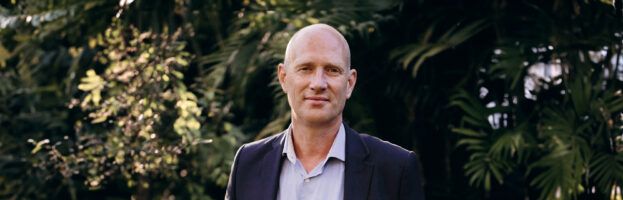
Hey folks, I'm Paul Spain, Chief Executive and Futurist at Gorilla Technology. one thing that I love is seeing individuals and organisations succeed. And this is really what the New Zealand Business Podcast is all about. We're here to help you learn from our best and brightest, our most talented people across the country. So our guest today is one of those, Strahan Wallis, one of New Zealand's most notable leaders in the areas of marketing, communications, public relations. His career spans across New Zealand, United Kingdom, and the United States. His most recent executive role was as Chief Executive of Clemenger Group in New Zealand and their multitude of businesses here.
Paul Spain:
Clemenger, of course, being part of Omnicom Global. Previously, he ran Porter Novelli in Los Angeles and had a range of of incredible successes there that really saw that business grow. Now he's worked with a whole range of clients around the, around the world, quite notably the Recording Academy, who we all know from the Grammy Awards. Today, Strahan operates an advisory firm, Wallis Co., doing governance, reputation management, crisis communications, executive coaching, venture advising, and offering strategic counsel to boards and to senior executives. New Zealand Business Podcast is proudly brought to you by One New Zealand alongside Gorilla Technology, making technology enablement and cybersecurity easy for mid-size and smaller businesses, and Outrun Global, remote staffing to help your Local team works smarter, not harder. Now, before we jump into the interview, if you work in a midsize or smaller organization, have you figured out how to make your team more efficient and effective with AI and automation? If not, talk to Gorilla Technology about a tech enablement audit today. Struan Wallis, great to have you here on the New Zealand Business Podcast. Absolute privilege and looking forward to delving into your journey today.
Strahan Wallis:
Well, thanks for having me, Paul.
Paul Spain:
As always, like to start a little bit at the beginning. So, you know, share a little bit about what life was like growing up for you, where that was and what it looked like.
Strahan Wallis:
I grew up on a farm in Raglan, multi-generational farm. We were— I go back to pre-treaty missionaries. So real privilege to grow up that way. I had a charmed childhood. You know, I grew up kind of catching whitebait and spearing flounder and hunting and all those kinds of things that are kind of, you know, I look back and it almost feels like a dream. Growing up on a farm, you learn the value of hard work and that kind of work ethic, that real Kiwi work ethic, and also figuring stuff out. And I'm the youngest of 4 boys. You know, I remember My first time driving the tractor, Dad just assumed that I could drive it because he'd already taught 3 boys.
Strahan Wallis:
So in his head, he had taught everybody. And he asked me to go and mow a paddock. And, you know, I'm going through in my mind going, well, if I tell him I don't know how to drive a tractor, I'm not going to get to do it. So I just said, yep, no worries, you know, and I jump on the tractor. I'd driven a car before. And so I figure it out and then I figure out how to get the mower going. And I didn't do it. I did a pretty terrible job, but— I mowed the—
Paul Spain:
You didn't run anybody over or anything?
Strahan Wallis:
Well, I did take out a post. So we had these like one, and I knocked one of the posts off and bent the mower. And so, but I mowed the paddock and so it was a bit rough. And then, you know, at the end Dad goes, well, what'd you do that for? You didn't, I didn't ask you to do that. And I said, oh, you realize I've never driven the tractor before? And he was like, oh, all right, well, that's pretty good then. So he was very gracious about it.
Paul Spain:
That's classic. So, so very much a can-do kind of attitude and you like to, you know, push yourself. You talked about learning a work ethic on, you know, on the farm. You know, what was that look like?
Strahan Wallis:
My first real job was pulling ragwort and grubbing nodding thistles, you know, and that is long, hard, in the sun kind of work. And Dad agreed to pay me $3 an hour. And I thought, oh, I'm gonna become a millionaire. You know, this is excellent.
Paul Spain:
Wow.
Strahan Wallis:
This is big money for me. And then, you know, within about half a day you realize this is tough and there's a whole farm, you know? And so that was probably, you know, lesson number one. And then, you know, fast forward, I'm at uni and, you know, I worked for a farmer down the road over the summer. And he was one of these guys who's like, right, cups on the cows. Cups are the things you put on the cows to milk them, for listeners who aren't familiar. Yes.
Paul Spain:
Yes.
Strahan Wallis:
He'd be like, cups on at 5 AM. So that means you're up at 4, getting the cows in, getting them into the shed, because he turns up at 5 and he expects to be able to put the first cups on at 5. So, right. So that was, and that was a long, hot, dry summer. And then, you know, at the end of the day, some days he would loan you out to other farmers to do hay. So, you know, you'd finish up at the end of milking at, say, You know, 4 or 5 o'clock and then you're off to the neighbours to do hay till 10 PM.
Paul Spain:
So you've done 12 hours work and then it's another 6 or 7 hours.
Strahan Wallis:
Yeah, and then you're off to do hay and then, you know, you're back at it again the whole next day. Fast forward to my first job at BNZ, you know, and that was pretty full on. I was producing a couple of internal newsletters and doing local advertising for the bank and all this. But I just, you know, every time it got a bit busy, I'd be like, yeah, but I can just go get a coffee whenever I want. I'm sitting in a cushy office, you know. Meanwhile, someone's pulling out a— pulling a calf out of a cow in a muddy paddock. Yeah, this is pretty cushy, really. So just perspective.
Paul Spain:
Yeah, that's really good. And sort of, you know, looking back on, you know, on those years on the farm and growing up before you went off to study, What are the takeaways other than learning to work hard and that drive to maybe push yourself to do new things?
Strahan Wallis:
For me, watching my parents, they were farming at the ends of the earth. And I think probably the greatest lesson for me is you look at what you've got in your hand. For them, it was a farm. You know, out in the buai, and do well with what you've got. And they did incredibly well with what they had. And I think one of the greatest lessons probably from my parents, if you're kind of stuck in life, look at what you've got and then do that to the best of your ability.
Paul Spain:
So walk us through how you navigated the journey from student and into the workplace. How did that play out for you? And, you know, what were the motivators and the drivers that helped you make the decisions you had to make?
Strahan Wallis:
We had this tradition of coming up to Auckland Grammar for the boys or Dio for the girls, or, you know, my dad went off to New Plymouth Boys' High. Going from the farm to Auckland Grammar was like someone from Auckland going to New York. You know, it was just so foreign to me. Big city, you know, going from a school of 50 kids rural primary school with paddocks all around it to central Auckland and 2,000 boys and boarding school was a shock to the system. But I think, and the principal at the time was DJ Graham, who's one of my great heroes in life, just an amazing man. But the thing that Grammar drummed into you, like the farm, was if you work hard, you can get ahead. And that's really Grammar's whole philosophy. Work hard, get ahead.
Strahan Wallis:
That's how you get on in life. And so that, I think, on top of the sort of farming experience, really gave me a good, probably built good habits in me.
Paul Spain:
Some good lessons in there.
Strahan Wallis:
Yeah.
Paul Spain:
And so, you know, walk us through from high school into study.
Strahan Wallis:
I felt like I wanted to do public relations. as I went into uni. And there's sort of two choices. I could come to AUT and do their communications degree, or I could go to Waikato and do a management degree with communications as the major. So I kind of felt, oh, if I do management and have communications as a major, that's gonna be more attractive for employers, or so I thought. I went from hardworking, you know, grammar boy to very cruisy, loosey-goosey university student. But that was formative, you know, socially And, you know, we would just, and that was back in the day where you got no marks for attendance. So we'd be like, oh mate, surf's going off in Gisborne, let's go to Gisborne for 2 weeks and then we'll catch up on uni when we get back, you know, or—
Paul Spain:
That's classic.
Strahan Wallis:
So I kind of cruised through uni, but I did love, I loved all my marketing communications. I loved the legal aspects. I hated finance and accounting and all these other ones that had to do with compulsory part of management. So yeah, there were wins and losses there. And then I got to the point there where I was looking at, you know, where are people getting jobs? You know, and I kind of looked at AUT and they had really good track record of people leaving the, you know, communications and journalism school, 'cause they were sort of almost tied together. and walking straight into work. And that's when I thought, actually, I need to knuckle down here and get serious. And so I thought, I'll go up to AUT and just see, I might be able to cross-credit a lot of my things.
Strahan Wallis:
And that's what I did. And that was probably the point where I knuckled down on university properly.
Paul Spain:
Yeah.
Strahan Wallis:
And I loved every minute of it. It was fantastic.
Paul Spain:
From there, how did things play out? How long at Waikato and then how long at AUT?
Strahan Wallis:
3 or 4 years at Waikato. So I had to redo some accounting and finance courses that I did in, that I kind of went to sleep in.
Paul Spain:
Oops.
Strahan Wallis:
Yeah, yeah, yeah. And then a year at AUT and yeah, really enjoyed that. And still, you know, same thing, friends with a lot of people that I went through there with. And then at AUT had arranged these sort of industry mentors to come in. I kind of took that quite seriously because I thought, oh, these are good people to learn from. And there was this phenomenal woman called Suzanne Morell. And so I kind of just was like an annoying mosquito to her and I must have got under her skin because— so I'd just ask her questions all the time. And 2 weeks before the end of uni, it was sort of the last, you know, few things before we went out into the world.
Strahan Wallis:
And my plan was I was gonna finish uni, have one last summer, you know, like the grand surf tour of the North Island kind of thing, and then put my head into getting work. And Suzanne calls and she said, oh, Strahan, I've got a job interview for you. And I was like, oh, brilliant, when is it? And it's 10:00 AM. And she said, it's 2:00 PM this afternoon. I said, Suzanne, I literally borrowed $500 from my mum I'd bought a suit the day before. I'd done all this research into, you know, what kind of suit do you need for the work? And they're like, buy a gray one 'cause you can just wear it every day and all of this. So I'd done all this research, bought this suit. And I said, I've only just bought a suit, you know, like, what are you thinking? You could have given me a bit more notice.
Strahan Wallis:
So I go in and that ended up being my first job. Yeah. Wow.
Paul Spain:
Tell us what that entry to the workforce looked like for you and some of those highlights?
Strahan Wallis:
I turn up and I'm nervous as anything, of course. BNZ head office on Queen Street. You know, I'm thinking I'm like a duck out of water. It's like that Auckland Grammar moment again, you know? I'm in my suit feeling awkward. I get called into this office and this was the big boss of marketing and communications. And the big new thing was integrated marketing communications. Who would've thought the two should be together? And her name was Janine Bayliss. She was on the exec team at BNZ.
Strahan Wallis:
And when I look back, I think, man, she was a phenomenon, 'cause that was back in the day when there weren't that many women in those kind of roles. Anyway, she was working away in an office that felt like the size of half a rugby field. And she sat me over on a couch, sort of 2 couches, the coffee table in the middle, in the corner of her office. put these 2 newsletters in front of me and said, oh, just read those for a few minutes. She was obviously busy, you know. So to communicate with bank staff, you had to have hard copy paper going to everybody. So they had these 2 newsletters. One was a frontline kind of sales and service communication vehicle.
Strahan Wallis:
The other one was like a more all bank staff. And I was reading these things thinking, I don't understand a word in here. It's all bank speak.
Paul Spain:
Yes.
Strahan Wallis:
It's all gobbledygook to me. And Suzanne had obviously just sold me in as somebody who can do it. And Janine said, do you think you could write and produce these newsletters for us? And the good farm boy from Raglan who just learned how to drive the tractor, self-taught himself to drive the tractor, said, yep, no problem. I can do that. Had no idea what you were doing. No idea what I was doing. I literally walk out of her office with these users shaking. I go to Suzanne, who was working there as a contractor, and I said, Suzanne, I don't know the first thing about doing this.
Strahan Wallis:
What am I going to do? I've dug myself this big hole. And Jenny said, okay, right, we'll pay you $45 an hour. And I was like, again, I was like, I'm going to be a millionaire. This is unbelievable for a guy who's been a student. So she coached me through it all. And of course it was It was all fine. And, you know, so that's sort of how I got started. And I had this, you know, probably from about that moment, there's this kind of like an ancient proverb, I think, that has really probably undergirded my work life, my professional life, which is, if you see a person skilled in their work, they'll stand before kings.
Strahan Wallis:
And so that for me was, very much a challenge in that I thought, okay, this is, and again, this is a thing I've got on my hand. How do I get really good at it? So I'm just going to work hard to get really good at doing this newsletter, working on, it was internal communications mostly. And then it led to lots of other things and opportunities inside the bank. But it was a classic example of, look at what you got, Get good at it, work hard at it, and it leads to the next thing.
Paul Spain:
There must have been lots of next things, but maybe an example that sort of, you know, you take away now when you look back on, you know, on that time with the bank. You know, what was one of those next things, one of those opportunities?
Strahan Wallis:
At the time, like BNZ marketing was like the hottest kind of marketing team in the country. I didn't really know any of this. So I was around all this phenomenal talent around me and they all sort of were like mother hens to me as a new grad and really looked after me. And again, I'm still in touch with a lot of these folks and they were all just phenomenal marketers who've all gone on to do these cool things. So just being in that environment, I think was just incredible for me. and seeing what good looks like. And so I got to do things like I helped the bank prepare for Y2K. You know, I was in charge of the backup website for Y2K for the bank.
Paul Spain:
These are the days when we were worried that once the clock hit 1st of January, 2000, that technology systems might get wiped out.
Strahan Wallis:
Exactly right. Yeah, yeah. For those who remember that. So that was an amazing opportunity to work on that crisis preparedness thing. I got, you know, within 2 weeks I was sitting with the CIO CEO of the bank going off to a speech supporting him. So one of the things you get in a public relations career is you get exposed to leadership at a very young age, younger than most. If you're an accountant, you don't get to see the CEO for 10 years probably. But in PR you do because communications is such an important thing at a high level.
Strahan Wallis:
So you kind of can glean leadership lessons and advice And, you know, that CEO gave me advice early in my career, which was really useful sitting in the back of the cab on the way home from the presentation that he was doing to, I think it was Chamber of Commerce. So that's one of the benefits. And, you know, I got given things like I, no one in the marketing team wanted to deal with local advertising. So I picked that up and redesigned their local advertising because everyone was kind of just doing whatever they wanted out in the regions.
Paul Spain:
Yes. Yes.
Strahan Wallis:
And so, but that was really interesting for me because, you know, I got to have a little look at advertising. What does advertising look like and what does good look like and how do we create a system that everyone can use but has enough flexibility for people to have a bit of local, I guess, reflect local values in their advertising. If you were like a mobile mortgage manager or a rural manager in Invercargill or something. And then we got to produce a TV show, which was amazing. So we did this internal TV show that I got to work on. In Australia, we had a mothership, which was National Australia Bank, and they had a live broadcast studio that they could then broadcast to everyone in the bank. And we were like, oh, we're not gonna get outdone. So we started this thing called BNZ TV.
Strahan Wallis:
And I got to work on that. And we hired some ex-TVNZ journos and producers. And so I got to go around the country interviewing all these amazing BNZers and telling their stories. And then we'd force everybody to watch it. And then branches, so there'd be these little gatherings that have to watch our little BNZ TV show. But it was fun, I really enjoyed it.
Paul Spain:
Tell me a little bit about, you mentioned a couple of weeks in you were helping out the CEO, sort of accompanying him. What was that like for someone that's just entered the workforce? You're now working, in this case, alongside the chief executive of Yeah, one of the most important organisations in the country. What did that look like and what did you take away?
Strahan Wallis:
That looked very much like driving the tractor. And, you know, again, in the deep end, I'm sitting in the back of a cab going, why did they pick me to do this? I'm nervous as anything. I don't know how to help. I was totally out of my depth is what I would say. But I was like, well, how cool is this? Look, you know, look at this farm boy from Raglan. Look at me now, I'm sitting in the back of a corporate cab with the CEO of BNZ. Unbelievable. And all through my career, I have these moments where I'm going, what's a farm boy from Raglan sitting here doing this? You know, unreal.
Paul Spain:
And were you able to help him? What did you have to do?
Strahan Wallis:
So really I was carrying his, you know, literally carrying his bags, the laptop, all the things that he needed and just making sure that he was kind of looked after. and not distracted and sort of running interference if people were talking to him for too long and all that kind of stuff. And then just making sure that his presentation went well. So I think I might have even been clicking through the slides, you know what I mean? That guy. And that was it. And then back off to the office.
Paul Spain:
And in a situation like that, what did he look for for you in terms of feedback? You give a talk and you want to know how it's gone. Was that part of what you did?
Strahan Wallis:
Yeah, yeah. So, yep, I gave him, I just gave him positive feedback 'cause I just, you know, I was probably more nervous than he was, to be fair. And he was hugely gracious to me, I think, in that moment. And then he got to talking to me and, you know, he said to me, which is interesting, isn't it? He said, he must have taken a liking to me, but he said to me in the back of the cab, hey, early in your career, Don't stay in a role for any more than a couple of years and then move on. Whether that's inside the bank or you've gotta take an external move, just build your career, go learn something new, go do something new. And then as you get more senior, those timeframes will move out. No one had ever told me that 'cause I came from a farm. So I didn't have anyone to sort of go, here's how you progress in the corporate world.
Strahan Wallis:
So that piece of advice was excellent and it actually served me in my next Career move as well.
Paul Spain:
Yeah. So how did you get from there to, I guess, ultimately sort of some very, very senior roles in California, London? What was the next pieces of that journey? What are the things that sort of the, I guess, the key points and where you had big pivotal decisions to make?
Strahan Wallis:
Again, for me, and this is advice I'd give to anyone early in their career is learning is way more important than money and position. And even right up to the point where I got offered to be the CEO of Clemenger Group, which was a huge honour and responsibility, the key thing about that decision was, We had a chairman, Robert Morgan, who I adore, who'd been CEO or chairman of Clemenger Group for a couple of decades. Just an enormous kind of brain, genius mind, just an excellent at his job and at management. And to me, I thought, and I've fast forwarded a long way here, but But the principle is still true. For me, one of the pivotal things in that decision was I may never ever get an opportunity to learn from, you know, a sort of godfather of the industry like this. I probably won't ever get an opportunity like that again. And I got a year of him, which was fantastic, you know? And so that was as compelling as any other aspect of— taking that jump. And I think every leap has been a bit like that for me.
Strahan Wallis:
There's been a bit of deep end in it. Post-BNZ, so I'd applied during uni, I'd applied, what I wanted to do was go work in a PR agency and I'd applied and failed. So like I applied at Porter Novelli, not good enough, other people got it. I applied at Network PR, which I really wanted, not good enough, someone else got it. So I felt like, ah, so BNZ was almost like, you know, like a, it was like plan B, you know? And so then this job got advertised in Hamilton and it was working for the mayor of Hamilton, working for the council, but predominantly serving the mayor, kind of writing speeches, doing PR, all of this. And I thought, oh, this is another opportunity. So I went to the bank and I said, look, I really wanna build the external comms part of my career, like, like, what does that look like inside the bank in terms of moving into more the PR side, dealing with media and journalists and all that? And, and they were really good. And they said, look, it's probably going to be a 2-year process from where you are to— for us to be able to craft that.
Strahan Wallis:
So great response. And then I said, look, this job's come up, this is what it is. And like, my boss at the time, amazing woman, And said, oh, just go for that. That'll be great experience for your career. If you get it, you'll just learn so much. So just have a crack and see what happens. If not, we're here. So that was just, I've had some very generous people.
Strahan Wallis:
So I went for that, got it. And I think in a year I wrote more than 300 speeches 'cause he was speaking sometimes 3 times a day. around the city.
Paul Spain:
That's incredible.
Strahan Wallis:
So pretty insane, just prolific. I remember my first day of work, I got called by the Herald journalist who covered, you know, city issues on my way to work, you know, with some big issue. And I'm like, I haven't even arrived at the office yet. So it was like, game on, you know, from day one. So it was, again, just such an amazing learning opportunity. And we had this awesome boss who was a former TVNZ journalist. So he was brilliant to learn from and good colleagues. And then, you know, I had applied again.
Strahan Wallis:
I'd applied for an account management role at Network PR, not got in there 'cause I wanted to work for an agency, not got it. And so I was just gutted. So there's all these sort of, disappointments along the way, but it all worked out because after I'd been at Hamilton City for a while, I get this callback out of the blue from Network PR going, hey, we've got a bank client and a local government client, so we think you'd be great because we really liked you, but it wasn't quite right at the time. Are you still interested in working for agency? And of course I'm just like, All my dreams have come true. So yes was the answer to that. So I went up and obviously interviewed and got into that. And then again, just into the deep end learning. I probably learnt more there than almost anywhere.
Strahan Wallis:
They had and still have, I think he's the chairman, Dennis Lynch, just a phenomenal, one of the godfathers of PR, I'd say. Always in the background, but just a brain, massive brain on him. Creative, thoughtful, wise. And my 2 clients were clients that he ran. So I just had this great privilege of learning from one of the best practitioners around. And so I stayed there for a while. And again, my first job at Network PR was writing a speech for Ralph Norris, who was the CEO of ASB. They're like, oh, you're good at writing speeches, write one for Ralph Norris, day one.
Strahan Wallis:
And again, I'm like, oh man, throw me in the deep end, you know? Like, far out, this is make or break. If I don't get this right, he's not gonna want me on the account, you know? Like, I'm thinking, heck. So anyway, I write this speech for him. He was at a, I think it was a Starship Foundation fundraising evening or something that they'd sponsored. Anyway, I get, and this is a measure of the man 'cause he's another, one of these good men, I think, that New Zealand has. And I get this note back from him in a bottle of wine thanking me for the speech and telling me how well it went and how well received it was. And that was definitely a measure of the kind of management team at ASB at the time was just, had this incredible culture. So yeah.
Strahan Wallis:
Again, in the deep end, learning.
Paul Spain:
And so how did you get your head around that type of challenge? And I'm sure there were many, many more of them. What was your mindset and your approach to be given new challenges? How have you done that across your career?
Strahan Wallis:
Lots of different ways. I think, you know, it keeps coming back to that kind of ancient proverb that I mentioned. If you see a person skilled in their work, they'll stand before kings. And I would find myself in these spaces and places with these people. You know, the other client we had at Network PR was an organization called Infrastructure Auckland, and they had a whole heap of assets for Auckland, and they'd make grants to the 9 cities in Auckland. And on the board were people like Sir Hugh Fletcher, Simon Cowie, Richard Didsbury, who's the founder of Kiwi Property, you know, John Robertson, who was an ex-National Cabinet Minister. You know, I'd be rolled in there to give them communications advice and I'd be thinking, what am I doing here? You know, and Dennis was so generous in giving me these opportunities. And so, you know, you would just have to lean on, the wisdom of the people that you had.
Strahan Wallis:
So in this case, Dennis, and we had this amazing, on the bank, we had this amazing account director, Claire England, who's still a good friend. So you could draw on these amazing people, but in the end, you kind of had to back yourself. And for me, you know, like I have this deep and deeply personal Christian faith. And so that again, probably for me, has been the, you know, when it comes to identity, quite a powerful thing in those moments, 'cause you just sort of go, okay, I have a faith that's informing who I am. Therefore, I can walk into a room and stand in front of these people because I'm secure in my identity in a way. You know, I don't have to feel like the little guy here. That has been a great I think undergird a kind of foundational thing for me in my career. You can walk into those kind of places and have confidence in who you are beyond your position, I guess.
Strahan Wallis:
Yeah.
Paul Spain:
Right. So for you, it's that sort of separation of your own identity from the situation you are in, your career. How do you tend to break that down?
Strahan Wallis:
I think it's really important and you see this happen so often, you know, and it always grieves me to see it, but it's important to separate, I think, your identity from your role. One of the awesomest things happened to me when I was the CEO of Clemens Group. I remember being in the garage and I ran into this person, it was probably in the first 3 months, and we had like 300 or 400 staff, so, you know, and they're just like, oh, Hey, how's it going? I just struck up this conversation. They're like, oh, what do you do around here? And I'm like, oh, I just, I didn't even tell them I was a CEO. I found some other thing to say. But it was a great, it was good for me 'cause it was sort of like, oh good, I'm glad that there's not this big like, ooh. I had a low profile as a group CEO at that point. That did change, but.
Paul Spain:
Yeah, do you think that in the workplace that we do, in many cases, we lean too much on our kind of our career success and so on to try and understand what our identity is and who we are?
Strahan Wallis:
I think in Western societies, yes. I think like if you take a Te Ao Māori point of view, no. You know, like if you meet someone who's deeply embedded in their— who's Māori, you know, you find this whole new system where whakapapa plays a massive role, you know? And, you know, and I've experienced this, you know, doing my pepeha with folks and suddenly we're connected because my great-great-great-great-great-grandfather baptized theirs, you know? And to me, identity is a really interesting thing to talk about, but I do think kind of Western culture kind of goes, oh, position equals identity, right? Whereas if your sense of identity is strong, you can walk through those kind of situations, I think, whether that's built up through, like in my case, growing up on a farm and my own whakapapa back to— pre-treaty times and my personal Christian faith or whatever it is, that if you can build those kind of things up, then it sees you through those kind of tough moments in life, which we all have. Everyone has them. Whether it's a death or a divorce or a career change or a sacking or a redundancy or whatever it might be.
Paul Spain:
Now, sort of where we've got to in your career, were there any of those sort of defining moments where things really went wrong that when you look back, it's like, oh, I really grew there because of a really challenging circumstance?
Strahan Wallis:
Yes, so many. Many times where probably I've got things wrong, many times where I've got things right and I'm proud of myself in some of those moments. I definitely have regrets. When I started at Clemenger Group, I might as well talk about it. You know, I inherited an interesting company and they'd made some decisions in the previous year and perhaps, perhaps, you know, not executed some decisions around people in the most compassionate way. And it ended up in a Herald article. And as the CEO, the new CEO, even though I had nothing to do with the decisions that were made back then, I kind of fronted and tried to manage it. It's interesting because I'd gone from advising people in these situations to being on the receiving end of it.
Paul Spain:
Yes.
Strahan Wallis:
Which now gives me great empathy for CEOs and chairs and leaders who are on the receiving end of these things because your judgment can get clouded and mine did. So like I responded online to a LinkedIn piece that someone had posted and I just shouldn't have, but I did it. And then I had to fess up to the staff at work and go, look, I shouldn't have done that. I should have taken my own advice and responded differently. I went and saw lawyers, I went and saw a KC, and I did all the things 'cause I was quite angry about the injustice of it. I ended up getting to the right place with it, but initially I reacted rather than responded in that situation.
Paul Spain:
Yeah.
Strahan Wallis:
And then other times where, you know, like I've made values-based decisions to walk away from jobs. And whenever I've done that, it's worked out just fine. You know, in these moments, there's a great book out at the moment. If anyone listening is kind of facing one of these moments, it's incredible, by Jim Collins, who wrote Good to Great, which is called What to Make of a Life. It is an excellent guide to people facing these, you know, what he calls cliffs, where— or challenges in life. You know, it could be a divorce, could be a redundancy. And if you're listening and you're sort of in one of these moments, I'd encourage you to go get it and read it. It is— It is packed with empirical evidence 'cause this guy's an academic.
Strahan Wallis:
So he's done hundreds of thousands of hours of research. He's studied pairs of people. So astronauts who are now no longer astronauts, professional athletes, CEOs, people who've gone through a crazy death or divorce or one of these big things, and then studied how they responded to it and what are the rules and how do you get out of that? And it's just a wonderful kind of metaphor. You know, after the cliff comes fog. And then if you keep walking through the fog, of course, eventually, like when you're driving, the fog clears and you start seeing your way. And it's just a beautiful contribution, I think, to humanity. And he talks about, at the end of the book, his own experience with his father who really let him and his family down. And there's this gracious part where he, He has a new understanding of his dad through this book.
Strahan Wallis:
And he understands that his dad just got stuck in the fog, hit a cliff, got stuck, didn't know how to get out. And so, you know, and very graciously he's like, oh, if only I could have given my book to my dad, he might've been able to get himself out of the fog. Which I think is just such a gracious way to look at it.
Paul Spain:
Yeah, yeah. Now you talked about having to, make those decisions to leave firms or leave clients and so on. Have you got a bit of a framework that you follow when it comes to these big decisions when there's a bit of a potential fork in the road? Is there an approach that's—
Strahan Wallis:
Absolutely. That is 100% values. And anyone who's worked with me over the last decade knows that I'm a big believer in values and behaviors and values-led leadership. Most of the leadership teams that I've led over the last decade, we have agreed what our values are and that dictates how we work and how we make decisions around here, right? And so when we've agreed on those values and we find ourselves in conflict with those values, whether that's with a client or someone in the team or whatever, we come back and that That's really our guide, right? Me, that's kind of how I lead and that's how those are the thing, you know, it's values that guide me through personal decisions and, you know, whether to stay or leave or, you know, do we stick with a client or perhaps should we start thinking about, you know, moving on? I mean, most marketing companies or PR agencies or agencies, We'd never think of dropping a client, especially a big one, but we've done it a couple of times and it's always worked out just fine.
Paul Spain:
How big are the stakes when you're making that type of decision and what leads you to that point?
Strahan Wallis:
One agency I worked for, we had, was our biggest client. They got new leadership. The relationship changed from a partnership to more transactional. And our staff started getting treated poorly. Raised it a few times, but it was coming from the top, right? Raised it a few times, pushed back, behavior didn't change. And in the end, then our people start becoming miserable, miserable coming to work, not enjoying work. And I looked at our values and I just went, this is just not— aligning at all. And it's really difficult to make these decisions when you're the leader, 'cause you also have to, if you make that decision, you gotta go out and find more work to keep these people employed.
Strahan Wallis:
So there's all these tensions around it.
Paul Spain:
Especially when it's your biggest client.
Strahan Wallis:
Yeah, there's all these tensions around it, but it just got so bad. So I then of course pulled our senior team together and we were sort of heading for this point and we'd tried, we'd tried everything. to talk about it, tried to do it diplomatically, we tried to do it many different ways. And in the end, we collectively decided as a leadership team we're gonna do it. So I wrote the Dear John letter, top to top. And one of the things we were committed to was to, Make them regret it. So the challenge to the team was, let's do our very best work over the next 3 months over the notice period, because we were required to give them a notice period, which gives them the chance to find another agency. And the team responded so well to that.
Strahan Wallis:
So our team felt, looked, seen. So we see the pain you are in and we are not going to allow it. We're not going to stand for that. However, our challenge is we rise above it and do the best work we've ever done on our way out, and then we will move on to other things. So, and in the meantime, we're like, right, go find some more work, you know? So, but that's all motivating, right? That brings the team together. So we did that and, you know, we're all sort of standing around as I hit send and I, well, called first, emailed, hit send. What was interesting in that moment was The new leader obviously was a bit toxic. Their whole leadership team saw what we did and half of the leadership team left over the next few months.
Strahan Wallis:
We ended up with 3 or 4 new clients 'cause they saw what we did and went, we like that. We like that you took a stand and made a call. So we won more business out of it quietly. We weren't doing it for that reason. But it was quietly seen and acknowledged and we picked up work as a result. So, you know, that when you do something like that, and then also I had to go get the sign-off of, you know, my board effectively to be able to do that. And they had the wisdom and I guess they backed us enough to know that we'd go out and win more work to replace it. So you sort of look back and I go, man, I'm proud of all of us.
Strahan Wallis:
It wasn't me, it was sort of— all of us making that decision. So that gives you confidence then for the next time something like that comes up of how to deal with it in that way. There's very few agencies who would walk away from their biggest client.
Paul Spain:
It's pleasing, isn't it? When you make that sort of hard decision and that stand, you do it for the right reasons, for your people, for your team, even though you know it's gonna have a cost, it's going to have an impact. And then you kind of actually see it all, it all comes back and it works out well.
Strahan Wallis:
Yeah, that's right. And look, having the courage of your convictions and having an authentic, genuine conversation is as important in a business relationship as it is in any.
Paul Spain:
Okay, so network PR, and then you ended up in London. Walk us through that journey.
Strahan Wallis:
Oh, well, that was your— You know, classic Kiwi, want to do our OE thing. So we were mid to late 20s and I'd done an interview with this amazing investor relations consultancy called Taylor Rafferty. They're based in New York and London and they'd hired a Kiwi before who was an incredibly hard worker. So they were like open to another Kiwi. I went and saw them and got offered the job pretty much straight away. And that they were a specialist in taking a big local company. So it'd be the equivalent of Fonterra was listed on the NZX, right? It would be like 80% of the NZX if it was, but if it was listed on the NZX but it needed to build, you know, that would be very tricky because it would be quite risky to have that and wanted to build an investor base out of London and New York. So just these huge global companies.
Strahan Wallis:
So really interesting role for me to learn again in the deep end, learning about capital markets. And I was doing international financial media relations mostly. So, you know, Financial Times, Wall Street Journal, New York Times, Barron's. I even got to sit in on a phone call with Warren Buffett because we were working for Adidas was one of our clients and they were buying Reebok. It was a billion-dollar deal. It was a big deal back then. And Berkshire Hathaway was supporting the deal. And so as part of it, we got Warren, we promised, I think it was the New York Times, might've been the Wall Street Journal actually, one of those.
Strahan Wallis:
I think it was the Wall Street Journal. We promised them an interview which had Warren Buffett, you know, I guess, offering his views on the transaction, which was really cool. Wow.
Paul Spain:
So yeah, maybe just kind of give us a taste of what that looked like.
Strahan Wallis:
Just, you know, big brains on investor relations really. It was an investor relations consultancy. And so the big things I learnt were one, capital markets, how do they work? Who are the players, you know, in these big, what are the big pools of capital? Around the world. So really fascinating and learning from just incredible operators. And the second thing was media relations. So building genuine relationships with international financial media and journalists. And some of these people I'm still really good friends with, keep in touch with, and learning really, you know, like for example, you look at a, and this is quite relevant to New Zealand. So Sasol's a good example, right? So biggest company in South Africa.
Strahan Wallis:
So in their home market, they're the big dog. Everyone knows who they are. Go to New York. In New York, South Africa was seen as unstable. Why would I want to invest in an oil company in South Africa? And you're competing with hundreds, if not thousands— of other brands vying for your investment dollar and conveying to these big companies that they are now a tiny fish in a big ocean. They're not a big fish in a little pond. And I think New Zealand suffers from this where we just think we're bigger than we are and we are like a couple of islands in the South Pacific, ultimately. And so that was really interesting, the sort of the psychology of how you present how you present and also coach folks who are big fish in a small pond and take them into a big ocean where they're a small fish and how they need to, I guess, effectively sell.
Strahan Wallis:
'Cause you're selling your company to investors and how you do that. Really interesting. And then building the relationships with media, I think became So that became the backbone of my career in London. Yeah.
Paul Spain:
And how long did that time in London last?
Strahan Wallis:
We were there, I think it was about 4 and a half, 5 years, something like that. And I went from, I had a really cool journey actually, 'cause I went from working for this international investor relations firm to then working for one of the investors. So my next job was for a company called Morley Fund Management, which no one would've probably heard of, but they invested all of Aviva's insurance money. Aviva's a global insurance company, so it was hundreds of billions of dollars.
Paul Spain:
Wow.
Strahan Wallis:
So that was also an education into, I'd gone from selling companies to investors to then working for the investors and seeing how they viewed the capital markets. And the shortest press release I ever wrote was in the subject line of an email. And it was, Morley Fund Management is not voting for the reinstatement of Aaron Sarim as CEO of Vodafone, full stop. Please don't call us. That's it. And it was all over the media the next day because Morley was, and I can talk about it 'cause it's obviously public, right? I mean, I had all the fund managers standing around me as I hit send on that one. And Morley was, And probably still is, it's called Aviva Global Investors now, but very conservative investor, an investor that companies want 'cause we put money in and we hold and we take a conviction stance and hold for a long period of time and maybe even invest more. So, you know, for Morley to publicly do something like that was a really big deal.
Strahan Wallis:
And it ultimately ended in— that CEO losing his job. So I feel sorry for him in that sense. But that gave me, you know, it was really interesting insight into corporate governance and into investors, how investors operate with each other too. I'm so grateful. I learned an incredible amount about capital markets and the levers and how to make things happen and how shareholders can hold companies to account. And that's really important. I learned an incredible amount in my craft on the importance of relationships. And that's what led to my next role actually was just the, I had deep relationships with media and authentic ones.
Strahan Wallis:
And so that led to the next role. But I think short answer is yes, I think it taught me a lot and gave me certainly a view and an understanding of how capital markets work and the various levers.
Paul Spain:
What would be advice that you would you'd be willing to share with others from that?
Strahan Wallis:
Look, one of the observations I had, and remember this was pre-2008 GFC and the markets, it's been described many times as a period of irrational exuberance in markets. So people were making so much money. Like if you were an investment manager back then, and you could make so much money. And so I saw people making vast amounts of money. And like the guy I had the most respect for was a guy running a pension fund and he had 3 pictures of, you know, old folks on his desk. And it reminded him of whose money he was investing and who he was working for. On the investment management side, it's keeping in mind what you're doing, who for and why. So, you know, you might be managing the superannuation fund.
Strahan Wallis:
You know, there's quite a noble purpose in these things, right? When you come down to it, rather than the star fund manager who's just all about making more money for themselves, you know, and you could see this sort of tension and the folks with the ones with the good values are doing it for the right reasons.
Paul Spain:
Yeah.
Strahan Wallis:
So the ones without good values are doing it for all the wrong reasons. And so you'd see that and you'd see this sort of chasing after, 'cause there's all, and you saw the emptiness in it. Like there's sort of, you could talk to some of these guys and they were just deeply unhappy with their life. And you're like, mate, you could quit tomorrow and you never have to work for the rest of your life and you're deeply unhappy. So you saw, I think, the greed of capital markets is like chasing after the wind. And then you saw these operators who knew what they were doing, who deeply committed to the work, deeply committed to whose money they're managing and why, I think will be the ones who'll be successful. And they're the ones who are, you know, you want to put your money with.
Paul Spain:
Great insights. Now, where did things lead on from there?
Strahan Wallis:
So from there I got hired by a company called Credit Suisse, which was one of 2 Swiss banks at the time. And they were in big trouble. Their reputation was kind of really stuck. They'd had some defections. So a bunch of staff and managers had left. And so there was just this negative press going on. And so I got approached for that role while I was at Morley. You know, effectively, called in for the strength of my relationships.
Strahan Wallis:
And so that was a really, really awesome job as well and interesting time. So that was a matter of, again, I could go around, talk to 25 journalists and say, what do you think of this company and why? And they're all really honest with me 'cause we had a relationship and they'd just say, look, this and that. And then I could authentically say to them, well, look, I'm going in, I'll find out what's going on and I'll let you know. And then so I went in and found out and it's never as bad as what the headlines, you know, when you read media, things are generally not as bad as what you read, right? In my experience. So I go in and there's a genuine rebuild going on that they just hadn't had the confidence, I think, to tell the story or know how or have the relationships to be able to do that. So it was a matter of kind of figuring out what they were doing. who they were hiring and why, what teams they were building, and then just kind of go and tell that story. And because I had relationships with journalists and with media, they would at least sit down with me and hear me out.
Strahan Wallis:
And that's all you can ask for, right? Is just hear our side of the story. And that's ultimately kind of the approach we took. And then slowly started rebuilding that. So that was the next thing. And then from there, while I was there, my mum died and we were incredibly close. They'd come to Europe and we'd spend a lot of time together traveling and things like that. So we had this beautiful time with her effectively while she was dying of cancer. And so, yeah, her funeral kind of made us think about, you know, what does our future look like? Are we gonna stay here? 'Cause we had all these opportunities to stay.
Strahan Wallis:
Where do we want to— we wanted to start trying for kids. So where do we want to do that? And so we ultimately decided that we wanted to to come back to New Zealand for that. 'Cause who wouldn't wanna raise their kids in this beautiful country? So—
Paul Spain:
Yeah, would that have been at this point?
Strahan Wallis:
This was, so yeah, about, it was kind of 2008 we made the call and it was hard 'cause, you know, I got offered 2 jobs inside the bank when I told them I was gonna leave. So it was nice to leave knowing that we could have built a life. there or carried on with the bank. But so we took a 9-month sabbatical, travelled, and we were able to do it. We went backpacking. So we were very lucky to be able to do that around Europe and make a slow trip home. And then we had a whole summer in Raglan. We were lucky enough to, we bought a bach in Raglan.
Strahan Wallis:
It was the first house we ever bought. So We've been incredibly blessed to have that. So we spent a summer there, which was awesome 'cause we'd been missing it a lot before kind of going back to work.
Paul Spain:
I bet.
Strahan Wallis:
Yeah.
Paul Spain:
Yeah. And so then, you know, what did you do from there?
Strahan Wallis:
And then I saw a job advertised at KPMG for a head of marketing and communications. And so I wrote to them And said, look, I'm not really a marketing guy, but I'm more of a PR guy. But if you're open to talking to a PR guy, I'd love to come and meet you. And they said yes. And so next minute I was in a room with Jan Dawson, who is still a friend today. Incredible operator. She's the chair of the Ports of Auckland, which has just probably been one of our greatest success stories of the last few years in terms of performance, I think, and in a tricky political environment as well. So I think she's— so yeah, I met with her and we had this great conversation and yep, she decided that I was the one.
Strahan Wallis:
She was the chair and CEO at that point. And so yeah, I really enjoyed that time. And for me, again, the great appeal for that was, okay, I'm gonna be running a team of people. I had marketers, I had like these— they had a research team who were effectively kind of like librarians because you'd have these big firms would have libraries of stuff and they'd look after all that. And so I had this amazing group of older women who were running that. And then I had this young marketing team and I had some PR people. And so it was kind of, and then different offices. So that was an awesome challenge to have.
Strahan Wallis:
And also working in a partnership. I'd never worked in a partnership structure before. So I thought this would be fascinating to see how does a partnership work and operate.
Paul Spain:
I'm picking that your KPMG role would've helped sort of shape and broaden out your skillset being you know, marketing as well as, you know, public relations, communications. You know, how did that set you up for the next step?
Strahan Wallis:
KPMG, and I still love it, it's a great place. I've still got deep friendships with people there. But part of the reason I left, I think, is because I wanted to get back on the tools. So I'd become kind of management and my whole world was managing people and all of that. And I missed consulting really. And also I didn't think I was very good at managing people. So then I ran into some people from Porter Novelli, Jane Sweeney, who's an awesome operator, and Adrian Cranshaw, who's a dear friend, was running a recruitment company as part of Porter Novelli at the time. And I must have shared a bit of this, and so they sort of jumped on their opportunity and Before you know it, I was back in PR consultancy and loving it.
Strahan Wallis:
And I felt like, oh, this is back to the world that I love. And so that was pretty cool. And I was obviously a very— they saw me as a saleable commodity. And so yeah, I jumped into Jane's team and loved it actually, loved every minute of it. It was great.
Paul Spain:
Yeah. You ended up doing some pretty interesting things there.
Strahan Wallis:
Yes. So I became the general manager. of the company. And then when Jane left, I became the managing director. And so I can't just stay a consultant for the rest of my life. I'll try and be good at management and running people and running a business. So that kind of led me down that path. And then we built Porter Novelli into probably the largest PR agency in New Zealand and we were doing some amazing work.
Strahan Wallis:
And I think What was driving me was I was loving the team. We had this incredible team around us and I wanted us to be doing not just the best work in New Zealand, but I wanted us to be doing work that would compete with the best work in the world. And so really raising our standards and going, how do we do world-class work from little New Zealand? And it's hard to know unless you kind of go and test it. Yeah. Porter Novelli at the time was a global consultancy and we were just a little part, you know, almost like a 4th cousin to the mothership. And I thought it'll be interesting to go and test whether our work is as good as, you know, the rest of the network. And anyway, they're putting on this conference where they were bringing people from around the world to just showcase some work and stuff. And so I got permission from from the bosses at the time to go and travel to this.
Strahan Wallis:
And I said, I'll come and do 2 or 3 case studies, put them up. And I wanted to see what the reaction in the room was like. Really, that was the reason I was going. And I went and talked to them about, we talked about launching Rocket Lab, we talked about TUI 'cause we'd just done TUI Bear Plumber and Catch a Million campaigns. I talked about AIG 'cause we were working for AIG on their All Blacks sponsorship. So I talked about a few of these kind of things in the room and they loved it. And we had the global CEO at the time who was moving, or she'd actually moved from global CEO of Portnoy Valley into an Omnicom role. So head of PR for Omnicom.
Strahan Wallis:
She jumped on me and was like, you've got to enter all these in Cannes and you've got to do this. They all want to win awards. awards and everything. So that kind of put me on the radar for Porter Novelli globally. And then the CEO, amazing guy called Brad McAfee, who I still love dearly to this day, started calling me and he said, oh, how would you feel about, are you happy in your job and how would you feel about maybe taking on a global role? And I said to him, well, look, I've got a good life running a great agency. It's all life's good. Yep, always open, but I've got a wife and kids to consider and I also am not going to leave anyone in the lurch here. I'm going to leave well, have a good succession plan, all that.
Strahan Wallis:
He respected that. And then I got this job. Will you run, would you move to Germany and run Bayer Crop Sciences, which is one of their big global clients? And I said, look, we've already done Europe, so the answer's probably no. Then he rang and asked me about moving to New York to be the MD there, which is like the big job in a global PR company. That's like going to the mothership really. And had I been younger with no kids, I probably would've said yes. But I was like, I don't want to take my kids to New York, too crazy. Then he talked to me about Washington, DC and I couldn't do that.
Strahan Wallis:
And then eventually he said, well, where would you be open to? And I was like, man, I can't believe these people are still trying. I'm just a little— I'm a farm boy from Raglan. Why are they still calling me? Leave me alone. So then I talked to my wife and she started getting excited at this point because she's always wanted to live in California. So I said, oh look, we'd be open probably to the West Coast of the US because it's one flight home. And then before you know it, they were like, would you come and run our Southern Californian offices? And at that point they kind of cornered me. So we had to really Rach was like, it's a hard yes from me. And I'm like, okay, oh, this is a big— so, but again, I went, man, this is jumping in the deep end again, 'cause I don't know anything about US, the US market, operating over there, what clients look like, all of that.
Strahan Wallis:
So incredible faith shown in me by 2 amazing or 3 amazing leaders really over there at the time. to give me the opportunity. So yeah, so that led to that. And in the meantime, you know, we'd grown Porto Novelli 2 or 3 times, had some incredible experiences there. And, you know, I do look back on that time leading Porto Novelli in New Zealand. We had this incredible team, Sarah Williams, Louise Wright, Louisa, you know, Morgan, who now runs comms for Rocket Lab and has got this— is probably one of the best PR people in the country. Louisa is now one of the owners of Paid PR. So we had this incredible group of people at that time.
Strahan Wallis:
And, you know, my goal leading the agency at that time was, let's make this a really special moment in all of our careers. So we look back on it and go, that was some of the best work and time we've ever had. And that definitely was true for the time. I caught up with Morgan recently and, you know, she was reminding me of some of the things that we did that she now does in her team. And I was like, yeah, Yes, so good.
Paul Spain:
So that'd be an interesting one to drill into. You know, Rocket Lab is a company that, you know, Kiwis are so interested in because it's such an incredible success. But, you know, you and Morgan and the team were, you know, were involved there in the days where, you know, virtually nobody had heard of Rocket Lab. Yeah, we were talking before, around the event where the Electron rocket was unveiled, and that was really a very foundational time in taking Rocket Lab from this unknown little Kiwi firm to the world. What can you tell us?
Strahan Wallis:
First of all, it was an incredible privilege, I think, to work on it, and none of us really probably appreciated it at the time. And it came from a referral from somebody. And I can still remember when Peter came into the office and I was just like, are you— is this guy even serious? Like, he's— and he was so confident in what he was going to do. And, you know, we were kind of scratching our heads going, should we be doing this or not? And, you know, he didn't have— he didn't have any money, but we wanted to do it because we just thought this is just such a brilliant opportunity to get involved with. And whether he's successful or not, how good that there's a Kiwi with such a massive ambition. And, you know, at the time he had no rocket, he had no clients, he had very, very limited investment, nothing from offshore, had no launch pad, had had no discussions with anyone about building a launch pad.
Paul Spain:
So what year was this? 'Cause you joined Porter Novelli, what, 2010? How long in that journey was that?
Strahan Wallis:
Not that long, probably before that launch moment, because that was kind of our first big piece of work for them. Yeah, yeah, yeah. Because they had a number of goals. One, how do we attract investor interest, like proper investor interest out of Silicon Valley? Because if you're going to build rockets, you burn cash, you need a lot of money, and New Zealand's too small for that.
Paul Spain:
So that's key, isn't it? And if we look back on the Rocket Lab story, absolute pivotal moment was when Pete went to Silicon Valley, when they unveiled Electron. So this was a really key time.
Strahan Wallis:
It was absolutely critical, yeah. Because they had to find a place to launch, to do a launch pad, that costs money. They'd build a launch pad, that costs money. They had to test, they didn't know. And this is risky money. So we built that kind of like we were launching a rocket company. basically launching a pre-launch. And so someone had this great idea of why don't we build a life-size replica of what we're going to build? And so it might have even been Peter's idea at the time.
Strahan Wallis:
And we just thought, that's genius because it actually shows people. And let's do, you know, and we flew people out from NASA and because he was very credible in the, in the, I guess, rocket science world at that time. And so Our goal was really to build profile for him, but not just here, but up in Silicon Valley as well, because we needed the money. And so anyway, we put this launch together, we did the big thing and the big reveal and all of that. And then within about 3—
Paul Spain:
So you're telling me that this big reveal that I was at, the rocket that we were looking at there was something that was actually for that event?
Strahan Wallis:
Yeah, it was a model.
Paul Spain:
Yeah.
Strahan Wallis:
It was a model, yeah. And we just thought that brings the story to life, right? People can touch and feel it.
Paul Spain:
It really does.
Strahan Wallis:
It was carbon fibre and for all of us, that was an important part of the story and we look at it from a media point of view, we go, if we put Peter in a room talking about a concept, it kind of doesn't, whereas when you can touch and feel and see and we can reveal this is what the rocket will look like, it's just a much, more tangible story. So that really drove a lot of the launch strategy was actually that. And we could have done something up in San Fran, we didn't. We did it here in Auckland. Peter's a proud, proud Kiwi. Within about 3 months, he had offers to partner to build a launch pad from every regional council in New Zealand. So he could take his pick. It came down to Canterbury and where they are in Mahia.
Strahan Wallis:
He had a long line of customers ringing to pre-book a ride for their satellites, which is the whole point of this, was to democratise space, to bring down the cost of getting satellites into space. And so he had a list of prepaid clients who prepaid, and then he had a pick of some of the best investors that you would want, A-grade investors like Khosla Ventures out of Silicon Valley lining up to give him money. So this was a very successful moment in the history of Rocket Lab. And then, you know, after that point, we were on a countdown to launch day, really.
Paul Spain:
Mm-hmm.
Strahan Wallis:
So it was all about building up. And so we stayed on and helped all the way up to kind of launching the first rocket. And I can remember the day, you know, we were there and it was just a phenomenal, It was a phenomenal moment. We had all kinds of precautions set up and if things didn't go right, and it was just brilliant. And I just, we all look back and probably pinch ourselves that we were able to be part of all of that.
Paul Spain:
Let's delve into your time in California. Very, very different world to do business. What were you given and what was, What's the goal and the challenge that you had?
Strahan Wallis:
We went with this idea that we are going to go and have an adventure as a family. And worst case scenario, we'll come home in a year with our tail between our legs, but we would've had a great adventure together and probably spent a lot of money. Best case scenario, we love it, we're all in, and this is us for the rest of our lives. A few days before I was due to start in LA, again, jump in the deep end. Here we go, nervous as anything. I get this call from the person who was North American president for our company. Amazing woman, still friends with her. You know, she calls and she goes, look, a few things have changed since we first started talking to you about this role.
Paul Spain:
Oh, okay.
Strahan Wallis:
And effectively the business was tanking.
Paul Spain:
Oh no.
Strahan Wallis:
And here's a hospital pass, all right? You all right? Yeah, right. Turn it around. Can you? Can you please turn it around for us? My previous role was somewhat of a turnaround 'cause I'd inherited a business that was having challenges. So I just went, well, nothing I can do about it. It is what it is. And so I went in there and of course, what would I know? Here's this Kiwi guy coming into a Los Angeles business. with the job of turning it around. And some of them had known about our work.
Strahan Wallis:
So the work that was coming from Portnoy Valley New Zealand preceded us. So there was at least that. But ultimately in my head, it's like, here I am, farm boy from Raglan again, middle of Los Angeles, in the deep end. What are we gonna do? It became apparent to me, 'cause we had a Los Angeles office, we had an Orange County office, and we had people in San Diego. It became apparent to me that we needed to shut down 2 of those offices. We needed to lose some clients who were unprofitable and we needed to really get back and figure out what are we really good at and what do we want to be known for? What culture do we want to bring and who are we going to be? I guess one thing I'd learned is you just have to go fast in those situations because we were an unprofitable business going backwards. So, you know, again, I just had to fire some clients who were, and we just had to say to them, look, we don't make any money. We effectively, you cost us every year to serve.
Strahan Wallis:
And some of these were big clients that agencies fall over themselves to get, but somewhere how we'd done bad deals, right? So we had to reduce the size of the team. We had to shut down San Diego, shut down Orange County. So we went down to a team of, I believe about 12 people from about double that size and then focus on what we're good at. And what we were good at was food and agriculture. So we went, okay, let's build a business around food and agriculture. We had the Almond Board of California as a client, as a good starting point. And we had some other food clients as well, Dole. And then let's start dreaming.
Strahan Wallis:
And for me, I'm like, we're in a market that has is endless compared to New Zealand. The opportunities are everywhere. So I'd gone from an agency where we had to drop a client to win a client because we would have conflicts. So if we wanted, we had a bank. So if another bank wanted us, we'd have to drop the bank we've got to work. So it was really complicated. I'd gone from this small market where we were navigating multiple conflicts to a market where there were just endless opportunities. So where do you start?
Paul Spain:
Was that hard? A team of 12, it doesn't sort of sound like the sort of size of team that's maybe gonna win confidence with big brands.
Strahan Wallis:
Great question. No, no, we were— there was a big question mark in my mind as to what was possible and whether we could do this. But I had to say to the team, I literally said, look, I don't come halfway across the world to make up the numbers. We are going to grow. So if you want to work hard and be part of a team, an agency that is going to grow, jump in and get on board. If you want to cruise along, this probably isn't the place for you. So I did have really hard conversations. So we got the team to a group of people who were really keen, who were really bought into growing and doing some significant things.
Strahan Wallis:
So that was kind of just about vision, values. What are our values? Where are we going? And we made some decisions and fast forward a couple of years, we've grown significantly. We'd grown, we'd got the Honey Board, we'd grown into multiple food and nutrition clients and wellness clients. We'd grown, so food, health, wellness, pharmaceutical, we were sort of growing this thing. And then And then we got asked, look, can you take on the team that's looking after Disney and PlayStation? So we did. So we're like, yeah, sure. So then I inherited these teams. So then we were sort of suddenly like—
Paul Spain:
Were they based elsewhere? How did that connection fit together?
Strahan Wallis:
They were being run out of other offices and for various reasons, the business that we could, we had people who could could do the work. So we'd hired, you know, good talent attracts new things, right? So we sort of inherited them and then built them out a bit. You know, like one of the greatest compliments, you know, someone in my team said, you know, you're the Ted Lasso of PR. And I was like, I just love you so much. 'Cause it was like that, you know, I was this foreigner coming in to totally different culture, different land. You know, when you're in America, You can't say sweet as 'cause it sounds like something else over there.
Paul Spain:
It does.
Strahan Wallis:
So it was all these things that we say that sound quite different to an American. So I had that sort of reputation of being this sort of optimistic guy who is a total foreigner and has his foot in his mouth sometimes but has the best intentions. And so anyway, we were able to build this and over there, in PR, you know, like I'm thinking of a team member right now who had only worked on one client her entire career and she'd been working 5 or 6 years. And I said, what about working on some different clients? 'Cause in New Zealand you work on multiple different clients in different industries and it was quite a foreign concept to them. Anyway, she's now, fast forward, she's transformed. She's now working, you know, for the Recording Academy, just loving her job. totally different career trajectory than what she had. And I just think those are the moments that you're sort of most proud of, when you can sort of drag people along on the journey to think a bit bigger and build their careers out.
Strahan Wallis:
So fast forward, we're doing all this growing and one of the most brilliant assignments that I had, I was getting ready to drive into the office and I get a call from a colleague who said, soon can you be in Santa Monica? And I said, oh, probably about 15 minutes, 'cause it's sort of like not much further past the office. And he said, okay, cool, just come. I said, do I need to be in a suit? He said, ah, it doesn't matter, it's the Recording Academy, so just get here. And I'm like, well, that's interesting. And I said, oh, what's it about? He goes, just turn the radio on and you'll hear.
Paul Spain:
Okay.
Strahan Wallis:
So I flick on NPR, which is what I listen to anyway, and they were in a crisis. They had fired their CEO and then their CEO was dropping lawsuits on them. And it was about 2 weeks away from the Grammys. They run the Grammys, right? They run the Grammys, yeah. And they needed help. So I pull in, I sit on this big U-shaped table and we're going around the table, these lawyers and PR companies and whatever. And they get to my colleague Sean and I. Sean now works full-time for the Recording Academy.
Strahan Wallis:
And, you know, what say you? And we're like, well, it's not going to blow over. They'd been getting advice that it would blow over. Our advice was it's not going to blow over. We're going to ramp up. We're going to fight. We're going to respond to every article, every call. We're going to push back and we're going to tell our story. And then we will need to, you know, do what— we need to see where it all lands and then rebuild the reputation of the Recording Academy if necessary.
Strahan Wallis:
And so, you know, they bought it and we were on. And effectively, I kind of lived at the Recording Academy for the next 3 weeks, all the way up to and through the Grammys. And what I learned was, after saying I'll never work in entertainment, what I learned was, you know, like any industry body, the people that are on the boards of these industry bodies are more often than not people who love what they do. And they do it for the good of the wider community. And that was the case. Like probably one of the best, if not the best leaders I've ever worked with is Harvey Mason Jr., who at that time was the president or what we would call chairman of the Recording Academy. One of the most brilliant leaders, authentic, just naturally good. I think he's got a life in politics.
Strahan Wallis:
I hope he goes that way. But just an incredible human being. And then all the people on his board around him were the same, just really good human beings doing it for the right reasons. And when you're in a crisis and you have people like that, you know you can see a way through it because you've got really good values coming through the work. And sure enough, we made it through there. I was sitting at the Grammys, Again, just sitting there going, what's a farm boy from Raglan doing here? But incredible experience. Wow. Wow.
Paul Spain:
Looking back at that time in California, what would you say the big lessons were? Some incredible, incredible growth, but must've been some dark points there as well, whether it's having to shrink the team down. I don't imagine California is probably the easiest place to do business.
Strahan Wallis:
When I look back, the greatest thing for me in that experience is like, we just don't think big enough. We don't realize human potential is incredible and most of us don't back ourselves enough. Most of ourselves don't know how far we can go. I can remember way back at the network PR days looking at Dennis and going, man, being in awe of him running a PR agency and going, isn't it incredible he can do that? Never thinking for a second that one day I might run a PR agency. It was out of my— I never for a second believed I could, would, would be able to do that. And then, yeah, fast forward, I'm running 9 of them, you know, or 10 of them or something. And, and, and, and we just don't, um, I don't know, do we not back ourselves enough or are we too humble? I don't know. We're capable of so much more than we think we are.
Paul Spain:
Yeah.
Strahan Wallis:
In life. I really, really believe that. And I think LA for me really taught me that. And, and I saw it in people in my team who are now off doing incredible things. And, and certainly in myself, I didn't think we would be When we set out to grow, I didn't know we would be able to do all of that, that we were able to. And we had some incredible hardworking people on that team. But yeah, to the dark moments, we've landed in LA, we've rented a big house that's costing far too much. We don't have any of our furniture here yet 'cause it's still on a ship and we're living on blow-up couches and beds and going, what have we done? Is this the right thing? And then getting that call to say, Oh, actually, you know, the business you're taking over is tanking, so good luck.
Strahan Wallis:
That could be a dark moment, right? But for me, because we'd set out to have an adventure, I just decided to look at it that way and went, you know what, worst case scenario, we'll tuck tail, we'll head back to New Zealand, I'll go to Raglan and I'll get a job at the pub pouring beer and go surfing. Like, that's not too bad of a fallback scenario for me. So in fact, I quite like— there's many days I think I quite like to do that. You know, I know some of them, they're good people. Yeah, yeah.
Paul Spain:
Something about the PR world is, you know, you end up rubbing shoulders with some pretty interesting people, you know, well-known figures and so on. Maybe you can share a story or two with us?
Strahan Wallis:
Oh, so many, so many. Well, I think, you know, That Warren Buffett phone call was pretty amazing. I think when I was in London, I went to Wimbledon with a club member and we'd go up for breakfast. Cliff Richards sitting next door to us, all these celebrities. We had access to the tunnels under Wimbledon. And then at the final, which was a Federer-Nadal final, Kate Middleton comes ambling past and then they trundle out. They were there for maybe half an hour and then they trundle out. And I'm like, how? Who would leave a Federer-Nadal Wimbledon final? Those epic battles that went on and on and on.
Strahan Wallis:
So with that, you know, I went to the red carpet opening of Casino Royale and the Queen opened the movie, you know. I mean, the Grammys and all of that. So that was sort of just, you know, celebrities everywhere. So yeah, so many of those moments. Oh, that's funny. Yeah, yeah.
Paul Spain:
What did it look like when your time at Porter Novelli In the US, you know, came to an end. Walk us through, you know, what you had achieved and then what the new opportunity looked like to come back to New Zealand.
Strahan Wallis:
It was a strange ending in many ways because COVID kicked off in the US. So we'd sent everybody home. And so we were all working from home. We were working in a COVID environment. New Zealand was blissfully unaware of the realities of COVID at that point because there was no COVID here. And I rang our global CEO and I said, how would you feel if we might move to Arizona for a couple of months and rent a bigger place? And he was like, no worries. So we went and did that and we got a big place in Scottsdale near some friends. We just had room to spread out from our small place in LA.
Strahan Wallis:
And then I got to thinking, 'cause we had green cards by that point, and on your green card you can spend 6 months out of the country. And my kids were losing their New Zealand identity. And I thought, well, we're only 3 hours behind California time. We've got a batch in Raglan. We could do 6 months in Raglan. I can put a cabin in for my office. The kids can go to their local little— and they can have this taste of this childhood that I had, this charmed, go fishing, do all the things. So I rang him and said, how would you feel if— and he was like, yeah.
Strahan Wallis:
Go for it. I'm going to Switzerland. So that made it easier. Let's not tell anyone, you know? And so basically we then made plans to come back to Raglan for 6 months. 'Cause the kids were doing school online, it was all horrible, no one was liking it. You know, we did the COVID experience before. So we did 2 COVID experiences, one in LA and one in New Zealand. So that sort of worked.
Paul Spain:
Were you able to keep— I mean, did you keep that a little bit on the quiet? The joke of let's not tell anyone?
Strahan Wallis:
No, I kept it totally quiet. So I didn't reveal to my team and I'd told my team to just go, you know, like go live with your parents, do whatever you need to do, you know, save your money. If you cannot pay rent, don't pay rent, just do everything you can. So I was sort of helping everyone and we had a trip back to New Zealand, which I cancelled because I felt like like through this COVID period, I need to be there. So I cancelled this big trip to New Zealand because it was the right thing to do, and which we were really looking forward to, to get us through the first months of COVID And we got into this really good operating rhythm, and we, we were so busy. We had so much work through COVID because of COVID Like, we were guiding companies through communications and all this. So if anything, we were busy. We were hiring people.
Strahan Wallis:
Our team grew during COVID 'cause we had to hire people on. So we was continuing to just grow. And so we'd gone, we'd sort of 4 or 5 times in size since I got there. And I was hiring people during COVID that I could never meet in person. That was a weird thing. Anyway, so came out to New Zealand and you didn't tell anyone on the team and sort of—
Paul Spain:
No.
Strahan Wallis:
'Cause I wanted them to feel like it was business as usual. So we did the lockdown hotel and all of that, and I just kept up appearances and I put this fake backdrop on for like 4 or 5 weeks. And then eventually one day we were doing this wine tasting, like a friend of mine's a sommelier in California. And so I'd set her up to do this wine tasting. So we'd post all the bottles out to everyone and then all jump online, do an online wine tasting. Of course, I'm in New Zealand, so I did my best. I thought, I'm just gonna have to fess up now. So I like set myself up outside and the tide was in the Raglan Harbour, you know, and I had these different ones.
Strahan Wallis:
Everyone's like, wait, where are you? Is that a real background? Because the water was sort of shimmering and all this. And I'm like, yeah, I've been in New Zealand for 6 weeks and nobody's even noticed, right? You haven't noticed anything different?
Paul Spain:
Yep.
Strahan Wallis:
They're fine. So they were all fine with it. So that was part of just the ease of not freaking people out. So that was pretty fun. I even had a crack at trying to get the Grammys to come to New Zealand. I went to an All Blacks game and I video called Harvey and I said, mate, look at New Zealand, we're all in person. I'm in a stadium, everyone's jumping up and down, which was like a different planet to people who were experiencing COVID at the time. And I said to him, I reckon we should do, the Grammys in New Zealand.
Strahan Wallis:
'Cause you could just do them in a normal year, you all have to come through and do lockdown, all that. But, you know, that never happened, which is a shame, but would've been good. So yeah, that's what got us back to New Zealand. And then if you rewind maybe a year prior to that, I'd had a call from the chairman of the Clemenger Group, Robert Morgan. So Clemenger Group was the largest marketing services company in Australasia. So in Australia and New Zealand, certainly in New Zealand, we were the largest. So it's a group of 9 brands, so advertising agencies including Porter Novelli and some others, Perceptive, which is a research company, Levo, which is a technology consulting company. So we had this sort of, it was a group of really interesting businesses, all who run, you know, on their own P&Ls, had their own and managing directors.
Strahan Wallis:
And he had said, what would you come back, what kind of role would you come back for? And I had to say to him, I said to him, look, Robert, I don't think we're coming home. We love it here. Things are going so well. There's just so much runway. Growing a business is never-ending over there 'cause the market's just enormous. You could just keep growing.
Paul Spain:
Yeah.
Strahan Wallis:
But I thought, oh well, if I just say a couple of things, it'll probably get rid of him. I said, I'd consider coming home for the Clemenger CEO role, which I thought he'll just think, what a cheeky guy, no way. And so I said, I'd come back for that, or if you were combining all of your PR agencies, Australasia, inside the Clemenger Group or Omnicom, I'd probably consider that. as a role to come home to. And I thought, oh, that'll just send him away for like 5 years. He'll just think, what an arrogant little prick, you know? And so that's how that role finished, 'cause he was kind of peeved off that I left and really wasn't happy about it, which I took as a compliment, you know? And I told him so. I said, look, the fact that you're reacting to me leaving, I take as a deep, deep compliment. So thank you, but I am going.
Strahan Wallis:
You can't convince me to stay.
Paul Spain:
Yeah.
Strahan Wallis:
So then he spotted that I was home during COVID somehow. I must have posted on Instagram or something. And I just get this phone call going from him going, you said you'd come home for the Clemenger CEO role. What about it? Simple as that. And I went, what? Are you kidding me? 'Cause they'd never, they always, in those roles, they always put like, you know, kind of advertising old boys in there. One of the appeals was I can take on a role like that as a PR person, and that's good for PR people to see that you can, you know? And it's also that learning thing. So Robert's there, he's an old boy, he's been around for a long time. So there's an incredible amount I can learn.
Paul Spain:
Yeah.
Strahan Wallis:
from him. So those were appealing. And then of course at the time, that was like a return to New Zealand. And New Zealand had no COVID at the time. It was a great place to be living and just another kind of jump in the deep end moment career-wise. So after deep discussion with Rachel, it was a very bittersweet kind of moment because we absolutely loved our life in LA. But career-wise, I was at the point where like Portonot Valley had appointed a new global CEO and I thought I had a good— I should have been in the running for that. And so I was perhaps feeling a bit like burnt.
Strahan Wallis:
I was definitely feeling a bit burnt by not being considered for that. And so I'd started to look around and I had— there was a startup who'd made me an offer, which I'd put on ice and said, look, when I get back, let's talk because it wasn't quite right. And my plan was to go back once LA opened up again and look around and find the next thing. And so Robert timed it with Clemenger Group Perth beautifully. We actually left LA without going back because of COVID Wow.
Paul Spain:
So an incredible role, something that would stretch you in new ways. Explain what that looked like to head up, you know, Clemenger Group, you know, here in New Zealand.
Strahan Wallis:
Yeah, well, first of all, I think I saw it as an incredible privilege. It was a company that consistently, you know, achieved amazing results creatively and, you know, for its clients. not just results that were good, but results that were among the best in the world, you know, and definitely punched above its weight. We were majority owned by Omnicom, which owns BBDO. So we were sort of BBDO's part and we won an unfair share of awards within BBDO globally, you know? And so it was a real privilege to take on that role. And I think, you know, the ability to learn from Robert, was amazing. Like, he was just such a brilliant business mind and a ruthless kind of, you know, straight down the line, as Aussie as you get, you know? So you kind of knew where you stood. So that was, you know, a real privilege, I think.
Paul Spain:
What were the biggest challenges of taking on this role that, you know, is well outside of the PR world? Obviously you had some experience there. But also, you know, it was a sort of 9 or so different entities. What were the challenges there and, you know, how did you face those things in terms of, you know, making it work and getting the right sort of support to be able to really succeed?
Strahan Wallis:
With 9 or more companies, there's always one of them facing challenges. Right? And when I first came in, the biggest of those was facing its greatest challenge. It didn't have a leader. The leader had left. The business was deeply reliant on one client that represented more than 50% of its revenue. And that's a really dangerous place to be for any business, right? And then I was walking into a world where, you know, what would I know? 'Cause I'm just a PR guy who's come back from America. But the thing that I did have is by the time I left North America, I was running the North American offices for Portonot Valley. So I'd had some experience, I guess, running multiple offices spread across a big geography.
Strahan Wallis:
So that really put me in good stead. And so you just sort of had to go, okay, what are the priorities? Because, you know, as a CEO, you can work 24/7 and still not get everything done that you, you need to do. So you have to prioritize You have to work margin into your world so that you've got thinking time. You've gotta, from a leadership point of view, go, right, who are the leaders and how do we— who are our key leaders and how do we build that? So first thing was gotta fix this big agency, which was Colenso. So we had to rebuild their entire leadership team effectively. And that's tricky. And then we had to build out their client portfolio so that they weren't just reliant on one one big client. We did that and that leadership team's still together.
Strahan Wallis:
They're incredible. They're probably some of the best minds in advertising. So there's always kind of like one thing that, or one company that you're particularly prioritising 'cause it's important and you need to pull them in or change or whatever. So there's all of that. And then in parallel there's building the values-based leadership thing that I was committed to. So we're running all these things in parallel. You know, I remember I had a call from that big client saying that they wanted to fire us.
Paul Spain:
Wow.
Strahan Wallis:
And not long into my tenure. You know, I was able to sort of put that on ice and say, just hold up, let me come and see you on Monday and I will sit and eyeball everyone who you want me to. And I just, tell me everything that's, 'cause, you know, I'd been led to believe that everything was all good. Clearly it wasn't. So then we had to rebuild that team, which was like an agency inside the agency. So you sort of have these, and that was 50% of our biggest company's revenue. So you kind of have these challenges, there's never-ending number of challenges going on. And this is, every CEO will relate to this, like there's fires to put out, there's things to do.
Strahan Wallis:
So it was definitely an induction by fire, incredibly challenging, but incredibly fulfilling at the same time. So yeah, lots of lessons. Lots of challenges. And that business, Kalenzo, is just cranking and still is. And so I think I'm really proud of that. I'm really proud of that team 'cause they're the ones who turned it around ultimately. And then taking a look at governance. So we had boards for each of our companies and more often than not, you'd jump in a room and you'd look at the last month's financial results.
Strahan Wallis:
And then you have a bit of a chat and then everyone goes home. And I just went, oh, this is not cool, right? So I went off and did the governance course from the IOD, which I'd recommend, the sort of live-in intensive one. Really good. And prior to that, even prior to doing that, we sort of instituted in our board meetings, like, let's take that as read and let's talk about any problems financially, but let's use this time with all these brains in the room to focus on opportunities and problems and future direction and make them more, use the brains in the room to solve our biggest issues kind of thing. So we're able to shift kind of the looking back to much more looking forward, proactive, working on the business, creating, trying to make those safe spaces where we can come up and out of the businesses and work on them. And that became an incredibly important thing in my mind to the leadership within the group. So as a CEO, the role was CEO, yes, but more than that, you were kind of more like an executive chairman to a bunch of small businesses. And some of the businesses were big, 100, 150 people, and some of them were small, as small as 5 or 6 people.
Strahan Wallis:
So you had to sort of put these different hats on and each company was on a different journey. And so you'd have to kind of go on that journey and then also figure out how do we, you know, we're a bit like the pirate's navy. You know, sometimes we sail together and sometimes we're fighting like pirates together. You know, so it was sort of being the captain of that, which was an interesting experience. Wow.
Paul Spain:
Lots of opportunities to grow and learn and to, you know, to really put into practice the things that you'd learned through your through your career.
Strahan Wallis:
Yeah, yeah, for sure. Incredible opportunity.
Paul Spain:
Any one or two standouts from that time?
Strahan Wallis:
So many actually. I think one that I'm really proud of, and not necessarily proud of myself, but proud of the team, is the turnaround of Calenzay. I'm incredibly proud of, they've still got the leadership team in there, they're still smashing out amazing world-class work. So that's a big one. I think the work that Clemenger BBDO did in Wellington for the government at the time was really important. And love it or hate it, you know, we did the Unite Against COVID-19 campaign. And, you know, you look back and we all look back on COVID with different eyes now. But at the time, that work was really important for the country.
Strahan Wallis:
And, you know, our brief was to, you know, get people vaccinated. And that's what we did. It was incredibly effective. It was probably the most effective health literacy campaign in the world. They were at the beck and call of the government and they ran themselves ragged to do a good job of that. And I really admire them for that.
Paul Spain:
Yeah, a really interesting time. As you say, there's sort of, you know, probably some, you know, people look back on COVID with, you know, with differing perspectives. How do you, you know, attend to, you know, a mission like that where, you know, what I'm picking is that there would've been some pretty strong goals, in terms of outcomes, in terms of what would consider to be the number one way that lives could be solved, right? How was that kind of communicated and how did you take that on?
Strahan Wallis:
Well, I think, you know, we, our client was DPMC, Department of Prime Minister and Cabinet. And 'cause I wasn't personally involved in the work, you know, but what I can say is, It's very much directed by the client. The client were really clear about their objectives. And our team in Wellington at the time were just excellent at behavior change campaigns. So they thought really deeply about how to get people to do things. And with government work, that's really important. And so really all of their work at the time was around that kind of a framework of behavior change. And I'd come from Porter Novelli in the US and Bill Novelli was one of the founding kind of earliest social marketers in history.
Strahan Wallis:
He worked on the very first anti-tobacco campaign. And, you know, he was all about how do we create campaigns that impact human behavior and change? And I've had the great privilege of meeting him and spending time with him over the years. Another one of my great heroes is just a beautiful, beautiful genius of a man, you know, still works at Georgetown University kind of helping younger generations figure this stuff out. But that, you know, that kind of behavior change work, social marketing was very much what that Clemenger in Wellington at the time really were locking in on for most of their work. So they just were applying that to this latest problem, which was how do we, one, help the government communicate effectively? How do we help them achieve what they want to do?
Paul Spain:
And something like that, that was, it was a very polarising time. You know, for some, they were deeply uncomfortable with the push to receive a vaccination. You know, they felt was, hey, this is new, this is experimental. The general messaging was that this could be completely trusted. When you look back on that, do you, you know, how does it make you, you know, think around that time and around the role of PR, which, you know, can be used for good and bad? of tremendous, tremendous good, but different people are going to see it from different perspectives.
Strahan Wallis:
Yeah, that's right. And look, I think it's a really important question for communicators or professional communicators like I am to ask on every piece of work. And you've got to be comfortable with the work you're being asked to do. And of course, as the CEO of the group, I had this exact situation within the group where we had to say, Okay, we have people who don't want to get vaccinated, how do we treat them? And I was really strong on the fact that we have to be super gracious, we have to let people hold their own beliefs, we have to treat them with as much love and respect as we would any team member, and we have to allow them to hold those and figure out a way to work, to keep working together. It was really important to me from a values point of view. So on one hand, we had a client who was instructing us and we had to enact this work, right? And you have to go, am I willing to work for SkyCity? Am I willing, happy to work? I've worked for Heineken before and DB, for example. You have to be okay with working for some of these companies that may have social impacts that you're not comfortable with. And you have to decide, am I willing to do that? And I've got so many examples over the years.
Strahan Wallis:
Like with DB, for example, I had this great relationship with the managing director of DB, Andy Routley, at the time. And we got into this deep conversation about men's health. And, you know, it came up, if I text a mate, beer? What does that mean? For most men, it means, hey, I wanna talk, I wanna connect, and I wanna have a chat, mate. And there's a role for that in society. So you're gonna have a beer with a mate, there's a role for that. And beer plays a part in that 'cause that's the thing that we're, you know, might be a cup of, could be just as easy a cup of coffee. You know, for my wife it's probably a glass of wine, but for a lot of Kiwi blokes it's, can I have a beer? That means I wanna open up and tell you about something. It doesn't necessarily mean let's go get smashed, right? And so there's this, you know, if I had said, oh no, I don't wanna work for a beer company.
Strahan Wallis:
then I wouldn't be able to have that conversation with the CEO of DB and we wouldn't be able to get to work on that and go, how do we then bring responsible drinking message alongside? I mean, no one would ever think that you could talk about mental health alongside beer, but you can. And so for me, there's all these interesting spaces and it's always, the world's not necessarily black and white. There's gray spaces that we can occupy. For good, to do some good in the world. So I think having these conversations about these things is really important.
Paul Spain:
So you exited Clemenger Group in 2024. Walk us through that transition.
Strahan Wallis:
So Clemenger changed CEOs and we had an Omnicom-appointed CEO put in. Omnicom is the ultimate owner in New York and they've now taken ownership of the whole company. And the way that that was being enacted, I had some fundamental issues with, which over the course of my role as CEO, I quietly raised and then had to raise them, I guess, with more volume and more volume until it came to a point where really, again, there was a values misalignment between the people who had majority ownership of the company wanted to operate and the way I really resonated with my own values. So those conversations led to my end really at the company. And when I look back, I had about 10 years with this company and they were probably 10 of the most incredible years of my life. And so when I look at the challenges within that 10 years, they're minuscule compared to the phenomenal time I had. And so I'm grateful for the time that I had with that company. Incredible.
Strahan Wallis:
I had just such amazing opportunities and just incredible input that I never would've otherwise had. Had this adventure in the US and got to come back and do all these amazing things. So when I look at my time in its entirety, it was great. And then again, when I look back, I go, it was right for me to go. Like in the Jim Collins book, we have these cliff moments. So that was a cliff moment. I left. I had, blessed with, I guess, many options of what should I do with my life now? So I was in the fog going, what am I gonna do?
Paul Spain:
Sure.
Strahan Wallis:
I went around, I've got all these great sort of people who are much older and wiser than me. So I went around and spoke to them all about my situation and what I was doing. Every single one of them said, You'll be fine, don't worry about it. Take a proper break, go surfing, go fishing, do all the things you want to do. Spend the time with your family that is under pressure when you're a CEO of a big company. So I dutifully listened and did that. And then over time, the phone started ringing. The first was a friend of mine who's a CEO of a big company.
Strahan Wallis:
And he rang me and said, I want you to come and meet my chairman. And I said, oh, I'm trying to have a break, mate. He said, nah, nah, I really need you to come and meet. So because he was a friend, I thought, oh, I'll go and do this for you. It's fine. So we go and meet and we had this animated conversation about investor relations and PR and ad agencies and marketing and all the things that they were thinking about. They were just sort of grappling with how they move forward, you know, on a lot of these areas that they saw me as knowing about. And I gave them brutal, straight down the line advice.
Strahan Wallis:
I wasn't interested in working, you know, so I was just, here it is. I don't care if you don't like it 'cause I'm going surfing this afternoon kind of thing, you know? Anyway, what's interesting about that And I've subsequently thought about it, you know, is I've got no, had no mouths to feed. So I wasn't trying to win work off them or anything like that. And it's really what as advisors we should always, always do, right? Is just give the right advice. And anyway, they said, would you stay on as an advisor to us? And I said, yeah, I can, but I don't know what I'm doing. I might be back in the US in a few months. They said, yeah, that's fine. Just while you're around.
Strahan Wallis:
So write an engagement letter and I had a client. And so then the phone rang again, it was a crisis, plane crash in Vanuatu. And then another one was a wealthy family with a celebrity in them having a bit of a crisis of kinds. And so they hired me to do some work and suddenly found myself doing work. Then independent agency owners were coming to me going, and I was like, I'll tell you everything I know about running an agency. I'm an open book. And then that's turned into chairmanship of Likeable Lab, which I love, and this amazing little agency and, well, actually growing, fast-growing agency. Grace, who runs the company All Is For All, is getting me to do the same thing.
Strahan Wallis:
And she's just a phenomenal, one of the smartest people I think I've ever worked with. Phenomenal, doing amazing work, doing consultancy around accessibility and working with ad agencies, telling them you know, bossing ad agencies around, telling them that they're doing it wrong. You know, that's—
Paul Spain:
That's great.
Strahan Wallis:
She does that, which is amazing, you know? Yeah.
Paul Spain:
And, you know, you've ended up, so you're doing this sort of advisory work, you're on boards. How have you kind of worked out how to fit that together in such a way that, you know, you feel you've got the right fit or are you still, you know, figuring that out?
Strahan Wallis:
The breakthrough moment on that happened for me. I met with a wonderful woman, called Vicki McLean from Kerridge and Partners. Again, I wasn't looking for a job, but she's an executive recruiter. And I kind of went in and said, oh, this is awkward 'cause I'm not really looking for a job. But so she just got me to open up and we talked and she said, oh, it sounds like you're doing a portfolio career. And I said, oh, what's that? And she said, oh, well, as it happens, you know, our founder's got this book and in the back there's this chapter on doing a portfolio career. And that was incredibly helpful for me because It kind of put a structure to it. And there's all these people out there doing this portfolio career, which I'd never heard of.
Strahan Wallis:
And so it might be some boards, some advisory work, you know, this and that really. Tinker, tailor, soldier, sailor, all of the above kind of thing, you know? So it just kind of evolved. And now I walk in all these different worlds doing really these privileged things and meet incredible people along the way. Some of it paid, some of it not paid.
Paul Spain:
You know, one of the boards you're on is for your church. You're this PR guy. I'm kind of curious how you look at the church from a PR perspective. I think your skill set— how do you look at that? Is that something you've thought about?
Strahan Wallis:
You know, especially in the not-for-profit sector, which churches are in, there is a responsibility for those of us who have some skills to lean in and help. And a lot of, there's a lot of churches and other not-for-profits who just do this incredible work in the community. I think New Zealand would be lost without its not-for-profit sector and without churches. I think there's a study done and there's an academic from the University of Waikato Dr. Juliet Chevallier-Watts, who did this study into, and she's an atheist, and she came at, you know, 'cause there's a lot of debate, should churches get the tax breaks they get? And there's high-profile examples of perhaps where they shouldn't, but the vast majority get on with doing this incredible amount of deep community work.
Paul Spain:
Yeah.
Strahan Wallis:
And it almost goes against our religion to talk about it. So there's this real, I guess, wrestle because you just want— anyway, she did this study and she came at it with the hypothesis that she thought she'd find the answer was yes, we should take away churches' tax-free— Or tax breaks. tax status. And I was gonna read one of her— what she said is, this is her words, instead of finding that churches should pay more tax, I somewhat awkwardly reached the opposite conclusion. Without churches, she said, New Zealand would plunge into irreversible poverty and chaos overnight. If anything, churches should pay less tax and receive more government assistance.
Paul Spain:
Wow.
Strahan Wallis:
I mean, that's an incredible statement from someone who came out. And she went on to say, because there's little research into the value churches provide to New Zealand, and we don't hear many stories about their contribution, they often go unrecognized. Yet churches are supported by over 65,000 volunteers deeply connected to their communities. This is her words, not mine. The average church has 6 active volunteers for every staff member, a far more generous ratio than the charity sector average. She found that religious charities contributed $6.1 billion to the economy in 2018 alone.
Paul Spain:
Wow.
Strahan Wallis:
That's a huge contribution that most often gets unnoticed because, and I understand, you know, news is driven by the weird and wonderful, the celebrity conflict, all these things. And so I don't hold anything against media for covering those things. Well, I think what the public doesn't see is the 80% of churches that just quietly get on and doing all this phenomenal work in the community. And I love that about— something I love about churches, but I also get frustrated by it because they don't wanna talk about it.
Paul Spain:
Like any institution, they're gonna be imperfect. Do you think the church needs to do some sort of a PR campaign, or is that work should be done in a humble manner that doesn't involve sort of flag waving and a lot of PR campaigns?
Strahan Wallis:
Yeah, it's a really good question, and I have mixed feelings about it because there's no such thing as a perfect church or a perfect Christian. I mean, I'm a Christian, but not a very good one. And there are a lot better Christians out there than me, but—
Paul Spain:
You and me both.
Strahan Wallis:
I think, you know, and people have behaved badly over centuries in the name of Christianity, which is deeply saddening to me. And, you know, of course those are the things that get held up and churches can and should do better all the time, right? But also they're full of broken people and well-intentioned people trying. And they also do this incredible, you know, like Dr. Chevalier-Watts said, this incredible amount of work in the community. So there's this balance, I think, to be had. And there's many times in the workplace where I've felt like I don't really want people to know that I'm a Christian because they're just gonna put me in a corner and I'll be judged for, you know, all of the weird and wonderful celebrity things that are getting covered. about Christianity and churches and not for who I really am, or not for what I really believe. There has been a real reluctance by Christians because they don't wanna put their head up and be judged, or don't wanna perhaps feel a little ashamed for the behavior of others in the Christian community.
Strahan Wallis:
And so don't wanna be put in that box. Being gracious and merciful and loving the greatest things that we can be, right? So if we are enacting those things through how we live and how we work and who we are, that's probably the main thing. You know, it's amazing to me, like a corporate will do 1/10 of the good of that $6.1 billion worth of value that's going into the community from churches and, you know, put ads on TV about it. And yet there's all this good going on in the community without asking for thanks, quietly getting on, community kitchens all over the city and feeding people and carry on. And they turn up again the next week and the week after and the week after. And it becomes a beautiful thing. But we're not putting TV ads on TV about it. It's just, you know, the need's there and you can never meet the need.
Strahan Wallis:
That's the hardest. That's the other hardest thing, you know. Yeah.
Paul Spain:
As we wrap up the podcast, could you share with us what you believe are really the key takeaways from your journey?
Strahan Wallis:
The first one, if you're listening to this and you're at a cliff moment, you know, you've been made redundant, you've had a death in the family, you're entering a new season, you've got to know that everyone has cliffs. It's just a rule of life. We all have these moments. After the cliff comes fog. And this is all covered in Jim Collins's book if you want to read it. And the key thing is to keep moving, keep walking through it. The fog clears just like when you're driving. And then, you know, if you're looking at what's in your hand and what you're good at, the chances are there's sort of a constellation of things around that.
Strahan Wallis:
And your next season will involve something in that constellation. And it may not be that one thing that you've been focused on. So if you can sort of You know, take the telescope out, you'll find out there's sort of a whole galaxy of stars around your main thing. And you can walk towards and into that. So I think that's for people in those moments in life. I think the other thing I've been doing a lot of deep thinking about lately is, you know, and in this world of AI, which we haven't even got into amazingly in this conversation, The more senior you get and the older you get, the busier you can become and your schedule becomes packed full. And in the area of thinking and creativity and creating margin in life, we get harried and busy and we don't take enough time to stop and think and really get into kind of open mode thinking. And I think with the technology changes in the world, What my great hope is, is that we will use this as a moment to create margin in our lives, in our businesses, and in our organizations where we can do deeper, more creative thinking, working on our organization, on our business, on our life in order to move forward and not waste that margin by filling it up with another hour-long meeting.
Strahan Wallis:
I spend a lot of time talking to busy executives saying, why do you book a 1-hour meeting when it could be done in 30 minutes or 45 and you could spend that 15 or 30 minutes thinking?
Paul Spain:
Yeah.
Strahan Wallis:
Looking out the window thinking can be quite a valuable exercise. Most executives, if you put them in a room on their own without a phone, wouldn't know what to do for 30 minutes. So learning how to deep dive, into kind of open mode creative thinking, I think, is a skill that, you know, I hope is not getting lost.
Paul Spain:
That's great advice. Now, if listeners had just one action that they could take away, what would that be?
Strahan Wallis:
Find ways to create time margin and learn how to think deeply. And out of that will come innovation and creativity to solve your greatest problems. Whether that's at work or in life.
Paul Spain:
How do you do that? Is it sort of blocking out your calendar a month in advance for a day? What do you do?
Strahan Wallis:
For me, I go for a walk, right? And it's different things for different people. When you're a busy CEO, that time's hard to get. So quite often I would take people for a walking meeting and then let them return to the office and I'd carry on. It would be getting out of the office, putting headphones on, going for a walk. it would be finishing the meeting 15 minutes early. So there's not— there's 15 minutes to do something within, having the discipline to not go back to my desk and check emails or pick my phone up and do something.
Paul Spain:
Struan Wallis, thank you very much for joining us on the New Zealand Business Podcast. Really appreciated your time and insights today.
Strahan Wallis:
All right, no worries.
Paul Spain:
So much in there, it's brilliant. I trust you really enjoyed hearing from Strahan Wallis, and you, you really have a whole lot of things that you can take away from his journey and the insights that he shared. The New Zealand Business Podcast is brought to you by One New Zealand alongside Gorilla Technology, making tech enablement and cybersecurity easy for mid-size and smaller organisations, and Outrun Global, remote staffing to help your local teams work smarter, not harder. Be sure to listen in to our other episodes featuring many of New Zealand's most successful leaders, including Brooke Roberts of Sharesies, Sir Peter Beck from Rocket Lab, Cecilia and James Robinson from My Food Bag and Tend, Sir Steven Tyndall of The Warehouse and K1W1, and of course, many more. And be sure to share this episode with a friend or colleague who you think will benefit from it. Now I have a question. Are you confident you're maximizing the uplift that tech enablement can bring whilst minimizing the cyber risks? If you're not so sure, get in touch with Gorilla Technology today for an audit. All right, well, thanks everyone for listening in.
Paul Spain:
This is Paul Spain signing out. I'll catch you again on the next NZ Business Podcast episode. The New Zealand Business Podcast, brought to you by Gorilla Technology, your strategic and proactive IT partner.